By Bt Stew
 What Are Level 7 Cheer Skills?
Did you know that only about 15% of cheerleading teams reach the advanced skill level of Level 7? As we explore what distinguishes these athletes, we’ll uncover the intricacies of stunts, tumbling passes, and choreography that define this level. It’s not just about individual talent; teamwork and synchronization play crucial roles in their success. Understanding these elements offers a glimpse into the rigorous training and commitment required and enrolling in cheerleading lessons in Peoria IL can help athletes develop the foundational skills needed to progress toward advanced levels like Level 7.
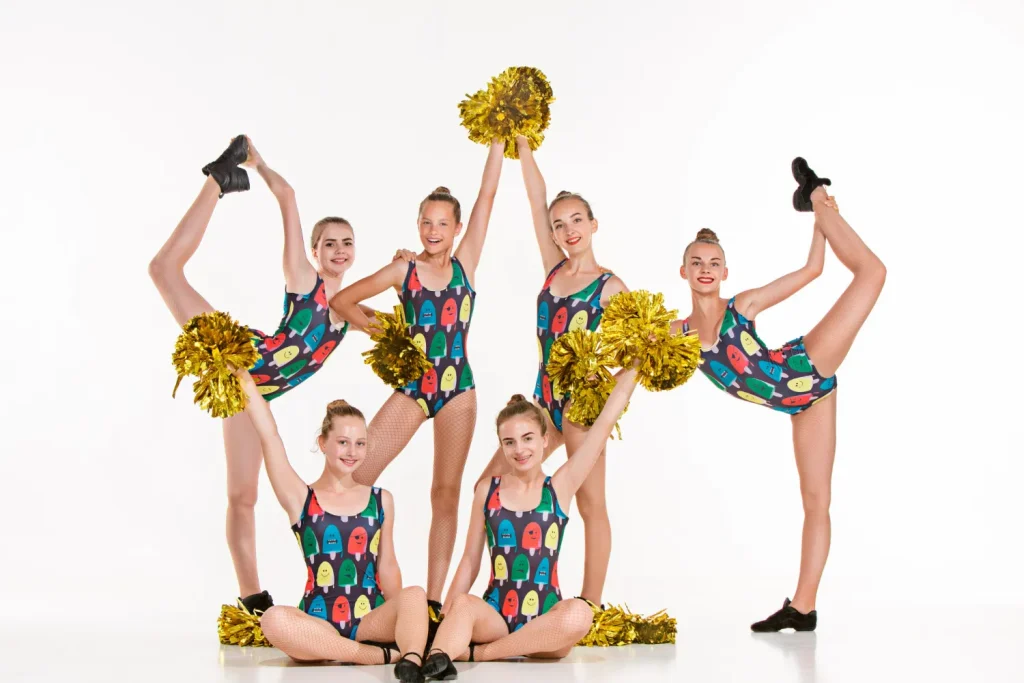
Key Takeaways
- Level 7 cheerleading emphasizes advanced stunts, including single-leg extended stunts and complex pyramids or tosses, showcasing precision and teamwork.
- Tumbling passes require mastery of handsprings, twists, and rolls, focusing on powerful landings for competitive success.
- Strong jump techniques involve explosive take-offs, controlled landings, and fluid transitions to enhance routine performance.
- Dance elements contribute to overall quality, with choreography incorporating sharp motions and flowing transitions for audience engagement.
- Effective communication and teamwork are essential for synchronization and trust, enhancing the execution of routines and safety during performances.
Overview of Level 7 Skills
When we dive into Level 7 cheer skills, we find a dynamic blend of advanced techniques and athleticism that sets this level apart. At this stage, cheerleaders are no longer just mastering the basics; they’re pushing the boundaries of what’s possible in cheerleading. Each level builds on the previous one, but Level 7 truly showcases the complexity of skills that elite athletes can achieve.
High-flying stunts become a hallmark of this level, as teams integrate intricate maneuvers that require precision and teamwork. We witness not just the execution of these stunts but also the artistry involved, as cheerleaders strive for both height and form.
The advanced levels demand a higher level of physical fitness and mental focus, ensuring that each athlete is prepared to meet the challenges ahead. Level 7 is about more than just competing; it’s about elevating the sport and inspiring one another.
As we embrace these skills, we cultivate a sense of camaraderie and determination among our teams. Together, we’re not just performing; we’re creating a spectacle that captivates audiences and showcases the true essence of cheerleading.
Stunt Requirements
As we explore stunt requirements for Level 7, we need to focus on the progression standards and the essential skill elements.
Understanding these requirements helps us build our routines effectively and safely.
Let’s break down what we need to achieve to excel in our stunting techniques.
Stunt Progression Standards
Stunt progression standards are essential for ensuring safety and skill development in Level 7 cheerleading. As experienced athletes, we need to follow these guidelines to execute stunts with the right level of complexity and precision.
It’s not just about mastering individual skills; it’s about understanding how to build on them safely and effectively.
Here are some key elements of stunt progression standards we focus on:
- Base Support: Ensuring the bases are strong and stable before adding any height.
- Flyer Technique: Perfecting the flyer’s body control and balance before attempting advanced tricks.
- Transition Smoothness: Practicing transitions between stunts to maintain flow and safety.
- Spotting and Safety: Always having spotters in place to prevent injuries during complex maneuvers.
Required Skill Elements
Building on our understanding of stunt progression standards, we now focus on the required skill elements for Level 7 stunts. At this level, athletes must demonstrate proficiency in advanced stunts that push their limits and showcase their capabilities. One key requirement is the execution of single-leg extended stunts. These stunts not only highlight an athlete’s balance and strength but also their ability to work within various team sizes.
As we progress through Level 7, we’ll encounter increased routine complexities. Each routine must incorporate at least two different single-leg stunts, showcasing the versatility of the athletes involved. Additionally, we need to ensure that our team can perform at least one advanced stunt, such as a pyramid or a toss, which requires teamwork and synchronization.
It’s essential that we prioritize safety and proper technique while mastering these skills. The combination of advanced stunts, single-leg extended stunts, and the ability to adapt to different team sizes creates a challenging yet rewarding experience for our athletes.
Tumbling Passes
When we think about Level 7 cheer skills, tumbling passes stand out as essential components that showcase both athleticism and precision. These skills are critical for elite teams and require a blend of strength, control, and technique.
As we progress through our routines, we can visualize the dynamic movements that define our tumbling passes.
Consider the following elements that make our performances truly captivating:
- Handsprings that launch us into the air with grace
- Twists that add an exciting flair, making our passes visually stunning
- Rolls that showcase our ability to transition smoothly between skills
- Powerful landings that demonstrate our control and stability
Each tumbling pass serves as a testament to our hard work and dedication.
We must master these elements to not only impress judges but also to elevate our routines. As we refine our techniques, we can aim for flawless execution and seamless transitions, solidifying our status as formidable competitors.
Embracing the challenge of perfecting our tumbling passes is what sets us apart in the world of cheerleading!
Jump Techniques
Now that we’ve covered tumbling passes, let’s shift our focus to jump techniques.
We need to emphasize the importance of power and precision in our jumps to elevate our performance.
Power and Precision Techniques
Achieving power and precision in jump techniques is essential for mastering Level 7 cheer skills.
We create stunning stunts and routines that captivate our audience, and it all starts with our jumps. When we focus on these elements, we elevate our performances to new heights.
To enhance our jump techniques, we should concentrate on:
- Strong take-off: Generating explosive power from our legs.
- Controlled landing: Ensuring we touch down with precision and stability.
- Body alignment: Keeping our core engaged for a streamlined appearance.
- Fluid transitions: Moving seamlessly from jumps to stunts or other skills.
Dance Elements
Often, we overlook the importance of dance elements in Level 7 cheer routines, but they play a crucial role in enhancing our overall performance. Incorporating strong dance elements helps us showcase our skills and adds flair to our routines. As skilled athletes, we know that every movement counts, and the right dance techniques can elevate our performance.
Dance elements bring a variety of levels of difficulty and creativity to our choreography. From sharp, precise motions to flowing, graceful transitions, these elements allow us to express our individuality while maintaining team unity. It’s vital that we commit to mastering these movements, as they can make or break the visual appeal of our routines.
Moreover, dance elements help us connect with our audience. When we execute these movements with confidence and passion, we draw spectators in, making our performance memorable.
We must remember that our commitment levels to practice these dance elements directly affect our overall success. By focusing on these aspects, we not only improve our routines but also grow as cheerleaders, ready to take on any challenge that comes our way.
Transitions and Formations
How do we ensure our Level 7 cheer routines flow seamlessly? It all comes down to mastering our transitions and formations. At this senior level, we need to connect movements effortlessly, showcasing our higher-level stunts while making it look natural.
Each transition should feel like a continuation of the last, allowing our individual athletes to shine within the routine.
To create that seamless flow, we focus on several key elements:
- Fluid Movement: Each cheerleader should move with precision, minimizing any pauses.
- Strategic Formations: We design formations that highlight our stunts and overall choreography.
- Clear Visuals: Our transitions should create striking visuals that captivate the audience.
- Timing and Rhythm: Synchronizing our movements ensures that every shift in formation feels intentional.
Teamwork and Synchronization
When we think about teamwork and synchronization in cheer, we can’t overlook the role of communication.
It’s crucial for us to understand how group dynamics influence our performance and overall success.
Importance of Communication
Effective communication serves as the backbone of any successful cheer team, fostering teamwork and synchronization.
In competitive cheerleading, where every detail counts, having clear lines of communication can make or break our performance. When we’re all on the same page, our routines flow seamlessly, and our skill level shines through.
To illustrate this, think about these key elements of effective communication in our practices and performances:
- Clear cues for stunts at prep level, ensuring everyone knows their timing
- Regular check-ins to discuss progress and any concerns that arise
- Positive reinforcement to motivate each other and build confidence
- Consistent feedback to refine our techniques and improve our routines
Group Dynamics in Cheer
Strong group dynamics are crucial for a cheer team’s success, as they directly impact our ability to work together and execute routines flawlessly. When we practice, we can clearly see how our level of talent can shape our performance. By fostering a supportive environment, we’re able to enhance our skills in routines, whether we’re working on basic partner stunts or attempting more difficult stunts.
Synchronization is key; every member must know their role and timing. During two-legged stunts, for example, we rely on one another to maintain balance and coordination. If one of us falters, the entire stunt can collapse, which highlights the importance of trust and communication within our group.
Moreover, as we advance to more challenging routines, we must adapt our dynamics to accommodate new skills. Each practice becomes a learning opportunity, allowing us to strengthen our bond and refine our teamwork.
Safety Considerations
In our pursuit of mastering Level 7 cheer skills, prioritizing safety must always come first. As we tackle advanced techniques like handspring tucks, one-legged stunts, and complex dismounts into stunts, we need to remain vigilant about potential risks.
By focusing on safety considerations, we can protect ourselves and our teammates.
Here are some key points to keep in mind:
- Level tumblers should always practice with proper mats and spotters to minimize injury.
- One-legged stunts require precise balance; ensure all bases are strong and stable before attempting.
- Dismounts into stunts must be rehearsed thoroughly to avoid falls; practice landing techniques consistently.
- Handsprint tucks should be executed with control; start with slow progressions and increase speed as confidence builds.
Progression From Level 6
Building on the safety considerations we’ve discussed, progressing from Level 6 to Level 7 involves honing our existing skills while introducing new, more challenging techniques. At this stage, we’ll refine our roundoff handsprings, ensuring our form is sharp and our landings are controlled. This is key as we transition into more advanced cheerleading levels.
As a senior team, we’re expected to demonstrate mastery of the basic levels before moving forward. We’ll revisit level 1 skills, ensuring that our foundational techniques are solid. This includes perfecting stunts and jumps that set the groundwork for what’s to come.
In Level 7, we’ll start focusing on more complex skills, such as full twisting stunts and advanced tumbling passes. It’s crucial to maintain our strength and flexibility as we take on these new challenges.
We should also be ready to support each other through this journey—teamwork becomes even more vital as we push our limits.
Preparing for Competition
As we gear up for competition, it’s crucial to ensure we’ve mastered our essential skills checklist.
We need to focus on each element that contributes to our overall performance and confidence on the mat.
Let’s take a moment to review what we must perfect before the big day arrives.
Essential Skills Checklist
Preparing for competition requires us to check off essential skills that define Level 7 cheerleaders.
At this level, we need to master a range of techniques that build on the basics of cheerleading levels. It’s not just about what we can do; it’s about showing our capabilities with confidence.
Here’s a list of skills we must have in our arsenal:
- Starting level skills: Ensuring we’ve a strong foundation to build upon.
- Double twist dismounts: Adding complexity and flair to our routines.
- Basic rolls: Perfecting our transitions and maintaining flow during performances.
- Stunts and tumbling: Executing these with precision and teamwork.
Frequently Asked Questions
What Age Group Typically Competes at Level 7 in Cheerleading?
Typically, we see athletes aged 12 to 18 competing at Level 7 in cheerleading. This age group showcases impressive skills and dedication, pushing themselves to excel in both stunting and tumbling during competitions.
How Long Does It Take to Master Level 7 Skills?
Mastering level 7 skills can feel like climbing a mountain; it requires dedication and practice. Typically, we find it takes several months to a couple of years, depending on our individual commitment and coaching support.
Are Level 7 Cheer Skills Suitable for Beginners?
We believe level 7 cheer skills aren’t suitable for beginners. They require a solid foundation in cheerleading techniques and experience. It’s best to master earlier levels before tackling the complexities of level 7 skills together.
What Are the Common Injuries Associated With Level 7 Skills?
While we might think injuries are rare, they often arise in level 7 skills. Common issues include sprains, strains, and overuse injuries. Staying aware and practicing proper technique can help us minimize these risks effectively.
How Are Level 7 Skills Judged in Competitions?
When we judge level 7 skills in competitions, we focus on execution, difficulty, and overall performance. We evaluate stunts, jumps, and tumbling, ensuring each element’s precision and synchronization contribute to the team’s overall score.
Final Thoughts
In the world of cheer, mastering Level 7 skills is like reaching the summit of a mountain, where every stunt, tumble, and dance move represents a step towards excellence. As we blend our strengths and synchronize our efforts, we create a breathtaking performance that leaves audiences in awe. With safety as our guiding star, we prepare to shine brighter than ever in competition. Together, let’s soar to new heights and embrace the journey ahead!
To understand the foundation of cheer roles, check out our previous article: What Are Cheerleading Positions Called?. Up next, dive into the essential role of What Is a Top Girl Cheer? and explore the art of being at the top of the pyramid.

![UFC fighter [Allan Nascimento] in fighting gear.](https://b2881679.assetcdn.net/2.0/2881679/wp-content/uploads/2026/08/journalist2F0749cf22-eda0-48b3-b1fc-d986d47ff93f2Fthumbnail-768x432.jpeg?lossy=1&strip=1&webp=1)