By Bt Stew
 What Are Cheerleading Positions Called?
While cheerleading embodies the thrill of high-flying stunts, it’s grounded in essential teamwork and defined roles. We often hear about the dazzling flyers who captivate audiences, but what about the bases and spotters who make those aerial feats possible? Each position plays a critical role in ensuring safety and success, yet many might not fully understand the nuances involved. Programs like kids cheerleading in Peoria IL emphasize the importance of teaching these roles early, fostering teamwork and laying the foundation for future success in the sport.
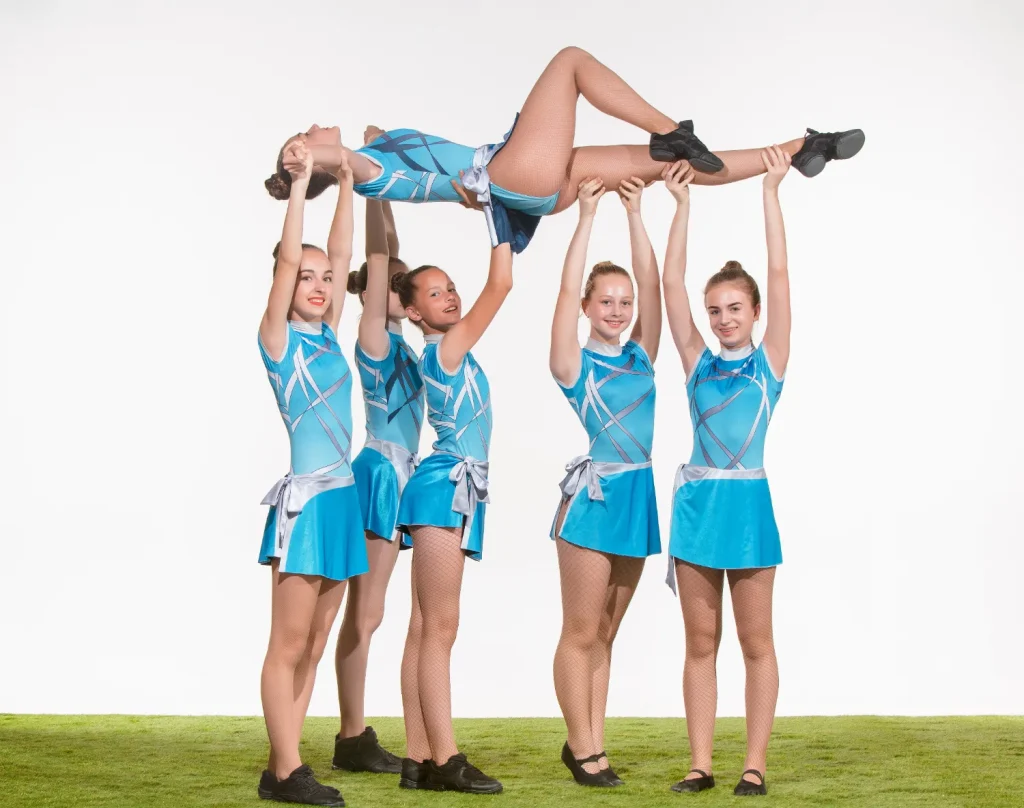
Key Takeaways
- The main cheerleading positions include bases, flyers, and spotters, each with specific roles and responsibilities.
- Bases provide support and stability during stunts, lifting and balancing the flyers.
- Flyers perform aerial stunts, showcasing agility and precision while relying on their teammates.
- Spotters ensure safety by monitoring the flyers and being ready to catch them if they fall.
- Clear communication and trust among bases, flyers, and spotters are essential for successful performances.
Overview of Cheerleading Positions
Cheerleading positions are crucial to the success of a squad, and we often see them in action during games and competitions. Each cheerleading team relies on the unique skill sets of its members to create a cohesive performance. Understanding these positions helps us appreciate the teamwork involved in our routines.
The main positions in cheerleading include bases, flyers, and spotters. Bases provide the support needed for stunts, using their strength to lift and stabilize their teammates. Flyers, on the other hand, take on the aerial roles, showcasing their agility and grace. Spotters play a critical role in ensuring safety, watching over the flyers to catch them if something goes wrong.
We’ve got to follow safety guidelines while executing these positions to minimize the risk of injury. Proper training and practice are essential, as is clear communication among team members.
The Role of Flyers
As we explore the role of flyers, we’ll uncover their key responsibilities and the essential skills they need to excel.
Flyers are crucial to our routines, bringing energy and precision to every stunt.
Let’s break down what makes a successful flyer and what we can do to support them on the team.
Key Responsibilities of Flyers
Flyers play a pivotal role in cheerleading routines, showcasing both strength and grace. As flyers, we’re responsible for executing stunts that require precise body positions and coordination with our teammates.
It’s crucial that we understand and adhere to stunt rules to ensure everyone’s safety during performances. We must work closely with our bases and spotters, communicating effectively to maintain balance and stability.
Our ability to trust our teammates is vital, as we’re often lifted high off the ground in dynamic formations. Maintaining strong core muscles and flexibility helps us perform stunts at a collegiate level, where the expectations are higher and the routines more complex.
In addition to physical strength, we need to be aware of our body positions at all times. This means keeping our limbs aligned and our weight centered, which helps prevent accidents and injuries.
Skills Required for Flyers
A strong set of skills is essential for us to excel as flyers in cheerleading. We need to master our balance and body control to execute stunts effectively. Precision is key; every move we make should be deliberate and accurate to ensure our safety and that of our teammates.
Physical conditioning plays a huge role in our success. We must build strength, flexibility, and endurance to withstand the demands of various stunts, especially during cheerleading competitions.
It’s also crucial for us to have a good understanding of safety education. Knowing how to fall safely or how to brace ourselves during a stunt can prevent injuries and keep the whole team safe.
Communication is another vital skill. We need to develop a strong connection with our bases and spotters, as we rely on their support during lifts and catches. This physical contact fosters teamwork and trust, which are essential for successful performances.
Ultimately, our ability to adapt and stay focused under pressure will set us apart as flyers. With practice and dedication, we can master these skills and contribute to our team’s success in every cheerleading competition.
Understanding Bases
How do we define the crucial role of bases in cheerleading? Bases are absolutely essential to our squad, as they provide the solid foundation needed for stunts. In every cheerleading position, bases take on the responsibility of lifting and supporting the flyers. Without the strength and coordination of the bases, our stunts wouldn’t be possible.
When we perform a stunt, the bases work together, using their legs and core to stabilize the flyer above them. It’s all about teamwork; we need to trust each other completely. Each base must know their specific role, whether they’re lifting from the ground or supporting the flyer’s feet.
The positions of bases can vary, but they typically consist of two or more cheerleaders working in tandem. Their communication is key, as they coordinate their movements to ensure the stunt is executed flawlessly.
By mastering their roles, bases help create the breathtaking moments that we all love in cheerleading.
Ultimately, understanding the importance of bases enriches our appreciation for the intricate dynamics of cheerleading. Together, we create an exhilarating experience that captivates our audience!
Importance of Spotters
As cheerleaders, we know that spotters play a crucial role in keeping our stunts safe and controlled.
They’re our eyes and hands in the air, ready to catch us if things go awry.
Let’s explore how their presence can make all the difference in our routines.
Role of Spotters
Spotters play a crucial role in cheerleading, ensuring the safety and success of every stunt. They’re our first line of defense against cheerleading injuries, providing physical support during complex stunts and jumps. As we execute our routines, spotters are there to catch or support flyers, helping to prevent falls and minimize the risk of injury.
Their awareness of the performance surface is vital; they adjust their positioning based on the environment, whether we’re on a gym floor, grass, or a stage. By understanding the unique challenges each surface presents, spotters help us execute our jumps and stunts with confidence.
Moreover, spotters reinforce safety rules that we should all follow. They not only guide us in practice but also communicate with us during performances, ensuring that we’re all on the same page. This teamwork creates a safer atmosphere for everyone involved.
Ultimately, the role of spotters is indispensable. Without their vigilance and support, our routines would lack the safety net we need to perform at our best. As we continue to cheer, let’s always appreciate the crucial role they play in our success.
Types of Bases Explained
In cheerleading, understanding the various types of bases is crucial for effective team dynamics and safety. Bases are the athletes who support the flyers during stunts, and knowing their specific positions helps us execute our cheerleading routine flawlessly.
Generally, we can categorize bases into two main types: front bases and back bases.
Front bases are typically positioned in front of the flyer, providing support and stability. They often handle the majority of the weight, so having strong and coordinated front bases is vital for successful stunts.
On the other hand, back bases stand behind the flyer, ready to assist in lifting and stabilizing during the performance. They play a key role in ensuring the flyer remains secure and balanced.
In varsity cheerleading, the effectiveness of our stunts relies heavily on clear communication among bases and the flyer. Each type of base has its unique responsibilities, and understanding these positions helps us execute our stunts safely and efficiently.
Key Skills for Flyers
Five essential skills set successful flyers apart in cheerleading.
First, excellent balance is crucial. When we execute stunts, especially in an extended position, maintaining our center of gravity helps us stay upright and secure.
Second, core strength can’t be overlooked. A strong core enables us to stabilize and control our movements during various stunts, like a basket toss.
Third, flexibility is vital. It allows us to achieve the high kicks and splits that many routines require, enhancing our overall performance.
Fourth, trust in our teammates is essential. We must rely on our bases to lift and support us, creating a seamless flow during stunts. Establishing that bond helps us feel secure in the air.
Lastly, communication is key. Speaking with our bases about timing and positioning ensures we’re all on the same page, especially when we’re working at different levels.
Spotting Techniques and Responsibilities
Effective spotting techniques and responsibilities play a crucial role in ensuring safety and success during cheerleading stunts. As spotters, we’ve the primary responsibility for the safety of our teammates. Our job isn’t just about watching; it’s about being ready to act. When we’re spotting, we maintain direct contact with the flyer, ensuring they feel secure as they perform difficult stunts.
One of the key aspects of effective spotting is precise timing. We need to anticipate the flyer’s movements and adjust our positioning accordingly. This means staying alert and focused, ready to catch or support them if things go wrong. When a stunt is particularly challenging, our presence can make all the difference in boosting the flyer’s confidence.
We also need to communicate clearly with our teammates. Establishing signals or cues helps us coordinate our efforts, especially in fast-paced situations.
Teamwork in Cheerleading Roles
In cheerleading, teamwork is crucial for our success as a squad.
We need open communication and trust among team members to execute stunts and routines safely.
When we work together effectively, we not only enhance our performance but also strengthen our bonds as a team.
Importance of Communication
Communication is crucial in cheerleading, as it fosters teamwork and ensures everyone is on the same page. When we’re out there performing, we rely on clear and effective communication to make sure our routines flow smoothly.
Each cheerleader plays a vital role, and when we establish strong lines of contact, we create a powerful connection among team members.
Good communication helps us develop our leadership skills too. Whether we’re calling out counts during practice or signaling changes mid-routine, being vocal and attentive empowers us to lead with confidence.
We learn to listen to one another, allowing us to address any concerns quickly, which strengthens our teamwork.
Trust Among Team Members
Trust is the foundation of our cheerleading team, and without it, we can’t perform at our best. In cheerleading organizations, we often see that the majority of cheerleaders rely on each other during practices and performances. When we trust one another, our team dynamics improve significantly. We can execute stunts and routines with confidence, knowing our teammates will be there to support us.
For college cheerleaders, this trust becomes even more crucial as we face higher expectations and compete at a more intense level. Each member has a specific role, and if we don’t trust each other, it can lead to mistakes that jeopardize our performance. We’ve to believe in our abilities and in our teammates’ capabilities to lift us up, both literally and figuratively.
Building trust among team members takes time, but it’s essential for our growth as a squad. We encourage open communication, celebrate our successes together, and learn from our failures.
Choosing Your Cheerleading Position
Choosing the right cheerleading position can feel like a pivotal moment in our cheerleading journey. It’s essential to consider our individual strengths and the needs of our team as we navigate this decision. Different cheer programs have various requirements, so knowing where we fit best can help us thrive.
For youth cheer teams, finding a position that matches our ability level is crucial. Whether we’re aspiring to be a flyer, base, or spotter, we should assess our skills and what we enjoy most.
If we’re looking at college squads, we might want to think about how our position aligns with the dynamics of collegiate sports and the specific style of that team.
It’s also helpful to communicate with coaches and teammates about our interests and capabilities. They can provide valuable insight into where we might excel.
Benefits of Knowing Positions
Understanding the various cheerleading positions not only helps us find our best fit but also enhances our overall performance as a squad. When we grasp each role’s responsibilities, we can better support our teammates, leading to a more cohesive and effective routine.
As athletes, we know that every position plays a crucial part in executing stunts and cheers during events. By knowing the positions, we can prepare for different levels of competition, including high-stakes events like the Cheerleading Worlds. This knowledge allows us to strategize our routines to maximize our strengths and address any weaknesses.
Additionally, it helps us align with the expectations set by the cheerleading federation, ensuring we’re all on the same page. Understanding these roles encourages us to develop our skills further, making us more versatile athletes.
It fosters communication and trust among us, which is essential in any cheerleading squad. Ultimately, being aware of the various positions not only enhances our individual capabilities but also elevates our team’s performance, making us ready to tackle any challenge that comes our way.
Frequently Asked Questions
What Qualities Make a Good Cheerleading Flyer?
To be a great cheerleading flyer, we need balance, strength, and confidence. We also must communicate well with our teammates and stay focused under pressure, ensuring we perform stunts safely and effectively while inspiring our squad.
How Do Cheerleading Positions Vary by Level?
We notice that cheerleading positions change as teams progress through levels. Beginners focus on basic skills, while advanced squads take on more complex formations and techniques, demanding greater athleticism and teamwork from every member involved.
Can One Person Perform Multiple Cheerleading Roles?
Absolutely, we can all take on multiple cheerleading roles! Picture a dynamic team where each member showcases their skills—like stunts, jumps, or cheers—making our routines more versatile and exciting. It’s all about teamwork and enthusiasm!
What Safety Gear Is Used in Cheerleading?
When we think about cheerleading safety gear, we often use mats for cushioning, shoes for grip, and sometimes helmets for stunts. It’s crucial to stay protected while we perform our routines, ensuring everyone’s well-being.
How Do Cheerleading Positions Affect Team Dynamics?
Did you know that teams with defined roles see a 30% increase in performance? We believe cheerleading positions shape our dynamics, fostering trust and collaboration, which ultimately elevate our spirit and unity on the field.
Final Thoughts
In the grand circus of cheerleading, we all know it’s not just about the flashy jumps and sassy uniforms. While the flyers soar like our dreams of being Olympic gymnasts, the bases hold the real weight (literally). And let’s not forget the spotters, who deserve a round of applause for their heroic efforts in preventing aerial disasters. So, let’s raise our pom-poms to teamwork—because without it, we’d all just be a bunch of confused acrobats in matching outfits!
For insights into the competitive structure of cheer, check out our previous article: Is D1 or D2 Bigger in Cheer?. Up next, take your skills to the next level by exploring What Are Level 7 Cheer Skills? and dive into the advanced techniques that define elite cheerleading.

![UFC fighter [Allan Nascimento] in fighting gear.](https://b2881679.assetcdn.net/2.0/2881679/wp-content/uploads/2026/08/journalist2F0749cf22-eda0-48b3-b1fc-d986d47ff93f2Fthumbnail-768x432.jpeg?lossy=1&strip=1&webp=1)