 By Bt Stew
 Can Swimming Reduce Flabby Arms?
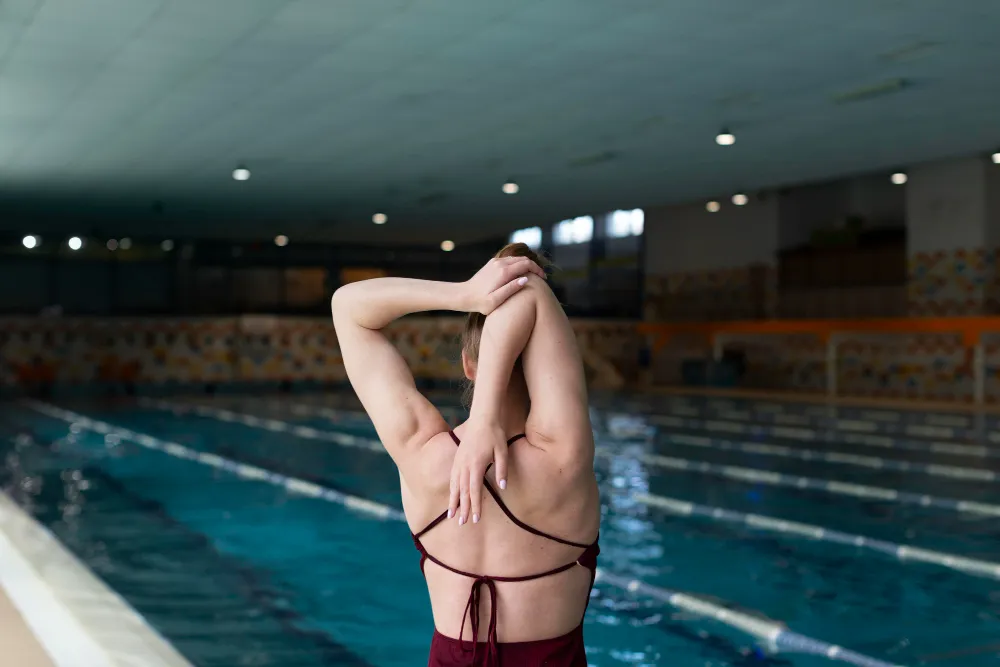
Like a sculptor chiseling away at marble, we can shape our bodies through swimming, particularly when it comes to flabby arms. Many of us wonder if this low-impact activity can truly make a difference in toning our upper limbs. By exploring the various strokes and targeted exercises, including swimming exercises for arms in Peoria IL, we’ll uncover how swimming not only engages our muscles but also contributes to overall fitness. So, what specific techniques and routines can we adopt to maximize our results? Let’s find out together.
Key Takeaways
- Swimming tones arm muscles through resistance, enhancing strength and promoting muscle definition to reduce flabby arms.
- Various swimming strokes, like freestyle and butterfly, specifically target arm muscles for effective toning.
- Engaging in a caloric deficit through swimming and proper nutrition is essential for reducing body fat and flabby arms.
- Incorporating pool exercises with resistance tools, like aquatic dumbbells, can intensify arm workouts and improve results.
- Consistency in swimming, combined with strength training, leads to overall body composition improvement and firmer arms.
Benefits of Swimming for Arms
When we think about swimming, it’s clear that it offers fantastic benefits for our arms.
Not only does it tone our arm muscles, but it also helps increase our overall strength.
Let’s explore how this enjoyable activity can transform our upper body fitness.
Tone Arm Muscles
Swimming regularly can significantly tone our arm muscles, making it an excellent workout for those looking to reduce flabby arms. Not only does it provide a full-body workout, but it also specifically targets our arms through various movements.
Here are some ways swimming can help us achieve toned arms:
- Resistance Exercises: The water creates resistance, which means every stroke we take is like lifting weights, enhancing our muscle strength.
- Water Aerobics: Incorporating water aerobics can amplify our efforts, as these classes often include specific arm exercises that focus on toning.
- Variety of Strokes: Different swimming strokes engage various arm muscles, ensuring we work all areas for balanced toning.
- Low-Impact Nature: Swimming is gentle on our joints, allowing us to build our muscle strength without the risk of injury, making it suitable for all fitness levels.
Increase Overall Strength
Engaging in regular swimming not only helps us tone our arm muscles but also boosts our overall strength. When we dive into the water, we engage in a full-body workout that challenges our muscles, promoting a significant increase in body strength. Each stroke requires us to use our arms, shoulders, and core, creating an effective body strength training exercise that builds endurance and power.
Moreover, swimming acts as a form of strength training without the harsh impact of traditional gym workouts. While it helps us reduce the increase in body fat, it also enhances our muscle definition. Our arm muscles, in particular, benefit from the resistance of the water, causing them to work harder than they’d on land.
As we swim regularly, we’ll notice that our overall strength improves, making everyday activities easier. We’ll find ourselves capable of lifting heavier objects or engaging in more strenuous activities without fatigue.
Swimming Strokes for Arm Toning
Mastering various swimming strokes can significantly enhance our arm toning efforts. By integrating different techniques into our routine, we can take advantage of water resistance to maximize our results.
Here are four effective swimming strokes that can help us tone our arms:
- Freestyle – This stroke is excellent for overall arm engagement and provides a solid cardio workout.
- Backstroke – With its backward arm movement, this stroke targets our triceps and shoulders, offering a unique challenge.
- Breaststroke – The arm motions in breaststroke engage the chest and engage the biceps, promoting arm strength.
- Butterfly – Known for its intensity, butterfly requires powerful arm movements, making it a fantastic option for serious toning.
To further enhance our sessions, we can incorporate foam water weights into our workouts. This added resistance amplifies the effectiveness of each stroke, helping us achieve our arm toning goals.
With these swimming strokes in our toolkit, we’re on our way to reducing flabby arms while enjoying a refreshing and invigorating workout.
Let’s dive in and make the most of our time in the pool!
Incorporating Swimming Into Your Routine
To effectively incorporate swimming into our routine, we need to focus on specific techniques that target our arms.
We should also consider the frequency and duration of our swims to maximize results.
Let’s explore how to make swimming a regular and effective part of our fitness journey.
Swimming Techniques for Arms
Building strength and endurance in our arms through swimming can be both effective and enjoyable. By incorporating specific swimming techniques for arms into our routine, we not only target our upper body but also enhance our overall fitness.
Here are four techniques to consider:
- Freestyle: This classic stroke engages our biceps and triceps, providing a full upper body workout.
- Butterfly: Known for its intensity, the butterfly stroke challenges our arm strength, especially in the triceps, while also requiring core strengthening for balance.
- Backstroke: This stroke allows for a unique focus on the biceps and helps improve our overall arm coordination.
- Water Resistance Tools: Using paddles or resistance bands during our swim can amplify the workout, intensifying both bicep curls and triceps dips in the water.
Frequency and Duration Tips
While we may be eager to dive into our swimming routine, it’s essential to establish a frequency and duration that keeps us motivated and progressing. To effectively reduce flabby arms, we should aim for at least three to four pool workouts each week. This frequency not only helps us stay consistent but also allows our bodies to adapt and improve over time.
When we think about duration, starting with 30 to 45 minutes per session is a great goal. As we become more comfortable and our endurance increases, we can extend our workouts to an hour or more.
Mixing up our routines will keep things exciting and engaging, so we can incorporate both toning exercises and cardio exercise into our sessions.
We might want to focus on specific strokes that target our arms, such as freestyle or butterfly, while also including intervals of faster swimming to elevate our heart rate.
Effective Pool Exercises for Arms
When we step into the pool, we can engage in a variety of exercises specifically designed to tone our arms. The water provides natural resistance, making it an ideal environment for strengthening our muscles while also getting a cardio workout.
Here are four effective pool exercises for arms that we can try:
- Aquatic Dumbbell Lateral Raises: Holding aquatic dumbbells, we can lift our arms straight out to the sides. This move effectively targets our shoulders and upper arms.
- Water Push-Ups: Positioning ourselves against the pool’s edge, we can perform push-ups in the water. The resistance helps tone our triceps and chest.
- Arm Circles: With our arms extended, we can create small circles in the water. This exercise works our shoulders and enhances endurance.
- Resistance Band Rows: Using a waterproof resistance band anchored to the pool’s side, we can pull the band towards us, which effectively engages our back and biceps.
Understanding Flabby Arms Causes
Flabby arms can sneak up on us for various reasons, often tied to lifestyle choices and natural aging processes. One of the primary causes we face is a decrease in muscle mass as we age. When we don’t engage in regular strength training, our bodies lose muscle, leading to a softer appearance in our arms.
Alongside this, changes in body composition, such as an increase in excess body fat, can also contribute to flabbiness. If we consume more calories than we burn, this can lead to fat accumulation, particularly in areas like our arms.
Additionally, our overall health plays a crucial role. Poor nutrition and a sedentary lifestyle can exacerbate these issues, making it even harder to maintain toned arms.
Stress levels can also affect our body composition; when we’re stressed, we might turn to unhealthy eating habits, further increasing excess body fat.
Understanding these causes is vital for us. By recognizing how our choices impact our arms’ appearance, we can take proactive steps to improve our muscle mass, manage our body composition, and enhance our overall health.
Importance of Overall Weight Loss
When we talk about reducing flabby arms, we can’t ignore the importance of overall weight loss.
Achieving a caloric deficit is essential for shedding those extra pounds, which ultimately improves our body composition.
Caloric Deficit Essentials
To achieve lasting results in reducing flabby arms, we must understand the importance of maintaining a caloric deficit. This means we need to burn more calories than we consume.
Here are some caloric deficit essentials to consider:
- Balance Our Diet: We should focus on nutrient-dense foods that are lower in calories but high in vitamins and minerals.
- Incorporate Regular Exercise: Swimming is an excellent full-body workout that can help us maintain a caloric deficit while toning our arms.
- Track Our Progress: Keeping a food diary or using an app can help us stay accountable and aware of our caloric intake.
- Stay Consistent with Our Exercise Routine: Consistency is key; regular workouts will enhance our weight loss efforts and lead to sustainable results.
Body Composition Impact
Achieving a healthy body composition is crucial for overall weight loss and reducing flabby arms. When we focus on body composition impact, we realize that losing excess body weight isn’t just about the scale; it’s about how much fat we carry versus lean muscle.
By incorporating swimming into our routine, we engage our shoulder muscles and core, enhancing muscle tone and strength. Swimming is an excellent full-body workout that not only burns calories but also builds lean muscle.
As we improve our muscle tone, we create a more defined and toned appearance in our arms. The resistance of the water helps us target those flabby areas effectively, encouraging muscle growth and fat loss simultaneously.
Moreover, as our body composition improves, we may notice other benefits, like increased metabolism and better overall fitness. This holistic approach to weight loss allows us to tackle not just flabby arms but other trouble spots too.
Combining Swimming With Strength Training
For those looking to tone flabby arms, combining swimming with strength training offers a powerful approach.
By integrating these two activities, we can maximize our results and achieve full-body toning.
Here are four key benefits we gain from this combination:
- Increased Muscle Strength: Strength training specifically targets our arms, while swimming engages multiple muscle groups, providing a balanced workout.
- Enhanced Endurance: Regular swimming builds cardiovascular endurance, which complements the strength we gain from lifting weights, making our workouts more effective.
- Core Engagement: Both swimming and strength training require us to keep our core tight, improving stability and posture, which can further enhance our arm toning efforts.
- Variety and Fun: Mixing swimming with strength training keeps our routine fresh and prevents boredom, making it easier to stick with our fitness goals.
Nutrition Tips for Toned Arms
When we think about toning our arms, nutrition plays a crucial role in our overall success. To achieve those toned arms we desire, we need to focus on a balanced diet that supports our fitness goals. Here are some valuable nutrition tips to help us along the way:
| Food Type | Benefits |
| Lean Proteins | Supports muscle repair and growth |
| Healthy Fats | Aids in hormone production and energy |
| Fresh Vegetables | Provides essential vitamins and minerals |
Incorporating foods rich in lean proteins like chicken, fish, and beans will help us build muscle, especially when combined with body weight exercises or dumbbells. Healthy fats from sources like avocados and nuts are vital for maintaining energy levels while we work on toning our arms.
Let’s not forget the importance of fresh vegetables, which are packed with nutrients that promote overall health and body positivity. By focusing on these nutrition tips, we can enhance our workouts and feel great about our progress towards toned arms. Remember, consistency is key in both our nutrition and exercise routines!
Advanced Techniques for Arm Strength
To truly strengthen our arms while swimming, we should consider incorporating resistance training into our routine.
It’s also essential to focus on optimizing our stroke technique for maximum efficiency.
Resistance Training Benefits
One of the most effective ways we can enhance arm strength and tone flabby arms is through resistance training. Not only does it specifically target our bicep muscles, but it also offers numerous resistance training benefits that contribute to an all-over body workout.
By incorporating resistance exercises into our routine, we can enjoy:
- Increased muscle definition and toning
- Enhanced metabolism, helping with weight management
- Improved overall strength and endurance
- Flexibility benefits that aid in daily activities
When we focus on resistance training, we’re not just isolating our arms; we’re engaging multiple muscle groups, ensuring a balanced approach to fitness. This method can be tailored to fit our needs, whether we prefer free weights, resistance bands, or bodyweight exercises.
As we progress, we’ll notice that our arms become stronger and more toned, while also experiencing other valuable advantages, such as improved posture and reduced risk of injury.
Stroke Technique Optimization
Improving our swim stroke technique can significantly enhance arm strength, complementing the benefits we’ve gained from resistance training. By focusing on stroke technique optimization, we can develop more coordinated arm movements that lead to greater efficiency in the water. This isn’t just about swimming faster; it’s about maximizing the effectiveness of each stroke.
One way to achieve this is through specific pool exercises that target our arms and shoulders. For instance, incorporating drills like single-arm swimming or catch-up drills can help us isolate each arm and fine-tune our technique. As we practice these movements, we’ll notice improved muscle engagement and endurance.
Additionally, paying attention to our body position and breathing can enhance our overall performance. A streamlined body reduces drag, allowing our arms to work more effectively.
Regular practice of these techniques not only builds strength but also promotes muscle definition, helping us tackle flabby arms.
Incorporating stroke technique optimization into our routine serves as a powerful form of exercise, ensuring our swim workouts are both enjoyable and productive. Let’s commit to refining our strokes, reaping the benefits in and out of the pool!
Real-Life Success Stories
Many individuals have transformed their bodies and boosted their confidence through swimming, particularly when it comes to tackling flabby arms.
We’ve seen firsthand how this effective workout can sculpt our muscles and enhance our overall fitness levels. Here are some real-life success stories that inspire us all:
- Sarah, who lost 15 pounds and toned her arms by swimming three times a week.
- Michael, who improved his stroke technique and noticed significant muscle definition in his upper body.
- Jessica, a busy mom, who found the benefit of swimming as a great way to carve out “me time” while also getting fit.
- Tom, who experienced a boost in confidence after participating in a local swim competition, showcasing his toned arms.
These stories highlight how swimming can lead to remarkable changes.
By incorporating an effective stroke and consistent practice, we can all work towards reducing flabby arms.
Whether we’re just starting or have been swimming for years, each stroke brings us closer to our goals.
Let’s dive in and make swimming a key part of our fitness journey!
Frequently Asked Questions
How Often Should I Swim to See Results in My Arms?
To see results in our arms, we should swim at least three times a week. Consistency is key, and combining various strokes will help us build strength and tone our muscles effectively over time.
Can Swimming Alone Tighten Loose Skin on Arms?
While swimming’s great for overall fitness, it alone might not tighten loose skin. We should combine it with strength training and proper nutrition for optimal results. Let’s explore a holistic approach to enhance our arm appearance together!
Is It Safe to Swim With Shoulder Injuries?
We understand swimming with shoulder injuries can be concerning. It’s crucial to consult a doctor or physical therapist first. They’ll guide us on safe practices, ensuring we don’t worsen our condition while enjoying the water.
What Is the Best Water Temperature for Arm Workouts?
When we consider the best water temperature for arm workouts, we find that a range of 78 to 82 degrees Fahrenheit feels comfortable and helps us maintain optimal performance during our exercises without straining our muscles.
How Can I Stay Motivated to Swim Regularly?
Staying motivated to swim regularly can be a challenge, but we can set goals, track our progress, and find a swim buddy. Let’s also mix up our routines to keep things fresh and exciting!
Final Thoughts
In our journey to tone those flabby arms, swimming offers a refreshing blend of fun and fitness. While we glide through the water, we’re not just enjoying ourselves; we’re sculpting our muscles and boosting our health. However, as we explored in Are There Any Negative Effects of Swimming?, it’s essential to be aware of potential drawbacks while reaping its benefits. By combining swimming with strength training and smart nutrition, we can transform our arms from flabby to fabulous. Let’s dive in together and embrace the challenge—because with every stroke, we’re not just losing weight; we’re gaining confidence and strength. And as we continue our swim fitness journey, one common question arises—Does Swimming Reduce Cellulite? Let’s uncover the truth next.


