 By Bt Stew
 What Does a Female Swimmer’s Body Look Like?
It’s interesting how we all seem to have a different vision of what a female swimmer’s body looks like; just last week, we stumbled upon a photo of a champion swimmer that sparked a debate among friends. We often think of broad shoulders and powerful legs, but this sport embraces a variety of body types, each telling a unique story. What if we explored how these differences contribute to freestyle swimming in Peoria IL performance and strength? The answers might challenge our perceptions of athleticism and beauty in ways we hadn’t anticipated.
Key Takeaways
- Female swimmers often have broad shoulders and toned arms, providing power and stability in their strokes.
- A variety of body shapes and sizes exist among female swimmers, emphasizing the sport’s diversity.
- Height can be an advantage, as taller athletes cover more distance per stroke and reduce drag.
- Strong core strength and lower body fat percentages enhance movement efficiency and support swimming techniques.
- Muscle composition includes a balance of fast-twitch and slow-twitch fibers, optimizing performance for various swimming events.
Physical Attributes of Female Swimmers
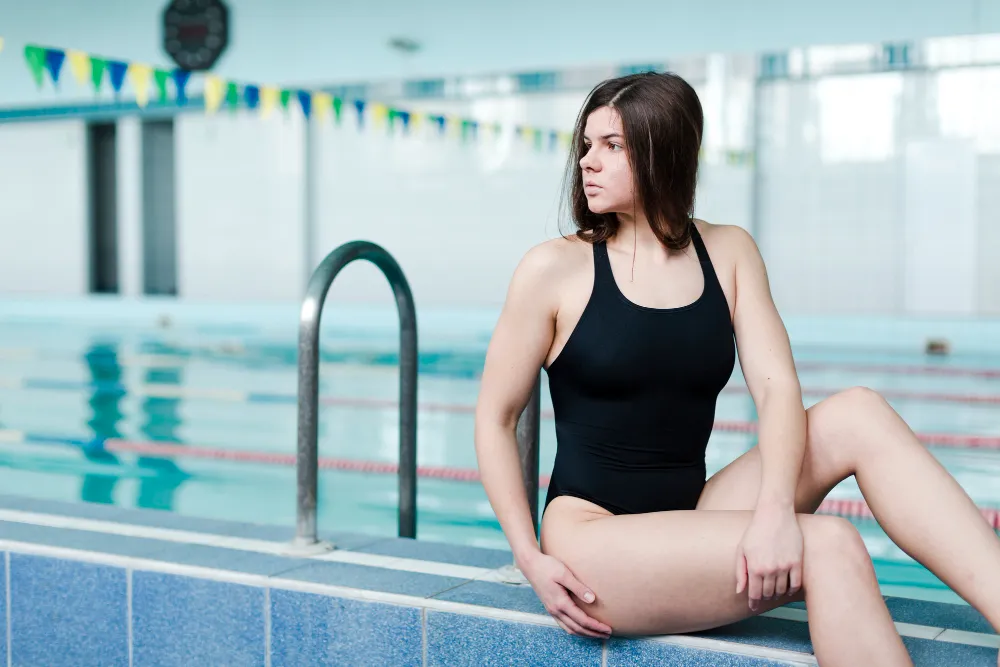
When we think about the physical attributes of female swimmers, it’s clear they often embody strength and grace. Their bodies are a testament to the rigorous athletic training regimen they undergo. One standout feature is the boulder shoulders, which provide the power and stability needed for powerful strokes. These broad shoulders, combined with a strong core, create a physique that’s not only visually striking but also highly functional.
The body composition of female swimmers typically leans towards lower body fat percentages, allowing for efficient movement through water. This balance of muscle and lean mass enhances their performance while maintaining flexibility. A well-developed core strength is essential, as it supports various swimming techniques and helps prevent injuries.
We can also observe that their physical characteristics, such as toned arms and legs, reflect countless hours spent in the pool, honing their skills. Through dedication and hard work, female swimmers cultivate bodies that are both athletic and graceful.
This unique blend of attributes not only aids in their performance but also inspires admiration and respect from all who witness their incredible abilities in the water.
The Role of Height and Limbs
When we think about the advantages of height in swimming, it’s clear that taller swimmers often have an edge.
Longer limbs can enhance stroke efficiency and speed, making proportions crucial for performance in the water.
Let’s explore how these factors contribute to a swimmer’s success.
Height Advantages in Swimming
Height plays a significant role in swimming performance, with taller athletes often enjoying distinct advantages in the pool. When we think about height advantages, we notice that elite female swimmers frequently exceed the average height, allowing them to cover more distance with each stroke. This gives them a competitive edge right from the start.
Taller swimmers benefit from various physical advantages, including longer limbs and a larger wingspan, which contribute to a more efficient stroke. These anthropometric advantages enhance their ability to glide through the water, reducing drag and increasing speed. It’s clear that height can provide a definite advantage in races, where every millisecond counts.
While we recognize the benefits of height, it’s important to remember that exceptional swimmers come in all shapes and sizes. While taller athletes may have that edge, technique, training, and mental resilience are equally crucial.
We should celebrate the diversity in swimming, understanding that while height can be a factor, it doesn’t solely define success in the sport. Ultimately, each swimmer’s unique attributes contribute to their performance, making swimming a truly inclusive sport.
Limb Proportions and Performance
Taller swimmers often enjoy advantages, but it’s the proportions of their limbs that can significantly impact their performance in the water. While height plays a role, the specific body type and how limbs relate to one another can enhance or hinder efficiency in various swimming strokes.
Let’s take a closer look at how limb proportions can influence a swimmer’s performance:
| Limb Proportion Type | Potential Performance Impact |
| Long Arms | Greater reach and pull in strokes |
| Shorter Legs | Less drag, but may reduce propulsion |
| Balanced Limbs | Optimal stroke mechanics and power |
| Long Torso | Improved buoyancy and body position |
| Proportional Limbs | Enhanced overall efficiency |
We see that the right limb proportions can create a harmonious balance, leveraging the advantage of height. However, it’s not just about being tall; it’s about how each swimmer uses their unique body type to maximize their strengths. By understanding these dynamics, we can make informed choices in training and technique, ultimately enhancing our performance in the pool.
Building Strength Through Training
Building strength through training is essential for female swimmers who want to enhance their performance in the water. We focus on a balanced approach that combines strength, flexibility, and core stability to maximize our potential.
By incorporating weights into our training regimen, we can build muscle endurance and power, crucial for sprinting and maintaining speed during long swims.
Strength training isn’t just about lifting heavy; it’s about developing functional strength that translates directly to our swimming strokes. Exercises targeting the core are particularly important, as a strong core helps us maintain proper body position and streamline our movements in the water. We often include planks, medicine ball workouts, and resistance exercises to bolster this area.
Flexibility is another key component we can’t overlook. It allows us to achieve a greater range of motion, improving our technique and reducing the risk of injury. We regularly incorporate stretching routines and mobility exercises to keep our muscles supple and responsive.
In our training, we find that the right balance of strength, core work, and flexibility not only enhances our performance but also builds confidence in our abilities as athletes.
The Importance of Dryland Workouts
When we think about swimming performance, we can’t overlook the role of dryland workouts.
These sessions enhance our strength and stability, giving us a solid foundation in the water.
Plus, by incorporating injury prevention strategies, we can keep ourselves healthy and ready for every competition.
Enhancing Strength and Stability
To enhance strength and stability, we can’t overlook the critical role of dryland workouts in a swimmer’s training regimen. These exercises are essential for building body strength and improving our overall performance in the water. By targeting our core muscles, we develop the foundation for powerful strokes and effective turns.
Incorporating resistance training, stability exercises, and flexibility routines helps us boost our body awareness, enabling us to understand how our movements translate into the pool. We focus on enhancing strength and stability through exercises that mimic swimming motions, allowing us to maintain proper form while training.
Moreover, working on our flexible shoulders is crucial for achieving an efficient stroke technique. Dryland workouts provide us with the opportunity to increase our range of motion and prevent stiffness, which can hinder our swimming performance.
Ultimately, dedicating time to dryland workouts not only complements our in-water training but also builds a well-rounded athlete. By committing to these essential exercises, we’re setting ourselves up for success, ensuring our bodies are strong, stable, and ready to tackle the challenges of competitive swimming.
Injury Prevention Strategies
Incorporating dryland workouts into our training not only enhances strength and stability but also plays a significant role in injury prevention. By focusing on injury prevention strategies, we can minimize the risk of common swimming injuries that arise from repetitive motions in the water.
Dryland training helps improve body coordination, which is crucial for maintaining proper form during our swimming regimen. Engaging in body strength exercises, like squats and planks, boosts our overall power and endurance. These exercises also promote joint flexibility, allowing us to move more freely and efficiently in the water.
We should emphasize functional movements that mimic swimming actions, ensuring that our muscles work harmoniously together. Moreover, incorporating balance and stability exercises in our dryland routines can help us develop a solid foundation, making us less prone to injuries.
With a balanced approach, we can enhance not only our physical capabilities but also our mental resilience. By committing to these injury prevention strategies, we empower ourselves to train smarter, swim faster, and ultimately stay healthy throughout our competitive seasons.
Let’s prioritize dryland workouts to safeguard our bodies and enhance our performance!
Nutrition for Optimal Performance
Fueling our bodies with the right nutrients is essential for achieving peak performance in the pool. As female swimmers, we need to prioritize nutrition that supports our training and recovery. A balanced diet rich in protein helps us build and repair muscle, which is crucial after intense workouts. Incorporating lean meats, fish, dairy, and plant-based proteins ensures we’re getting the amino acids necessary for optimal recovery.
We also need to focus on maintaining a healthy weight, as this can significantly impact our performance. Consuming whole grains, fruits, and vegetables provides us with the energy we need while keeping our bodies fueled for long hours in the water.
Carbohydrates are particularly important for endurance, so we should never shy away from healthy sources like quinoa, brown rice, and sweet potatoes.
Hydration is another key component of our nutrition strategy. Staying well-hydrated allows us to perform at our best during training sessions and competitions.
Flexibility and Its Benefits
When we think about flexibility in swimming, we recognize how it enhances our range of motion and helps us perform better in the water.
By incorporating flexibility training into our routines, we can also reduce the risk of injuries that often come with intense training.
Let’s explore how these benefits can elevate our swimming experience.
Enhanced Range of Motion
Flexibility plays a crucial role in enhancing a swimmer’s performance and overall well-being. When we focus on developing an enhanced range of motion, we unlock our ability to execute strokes more efficiently. This increased flexibility in our upper bodies allows us to reach further and pull harder, maximizing our propulsion through the water.
Having a strong core complements our flexibility, providing the stability needed to maintain proper body alignment during swims. A strong core supports our body as we navigate through various strokes, ensuring that we can rotate and extend without straining our muscles.
This synergy between flexibility and core strength directly improves our swimming performance, allowing us to glide seamlessly through the water.
Moreover, enhanced range of motion helps us adapt to different swimming styles and techniques. The more flexible we are, the easier it’s to switch strokes and respond to coaching cues.
We can experiment with our technique, continually refining our movements for optimal efficiency. Ultimately, investing in our flexibility and core strength not only elevates our performance but also contributes to our overall enjoyment of the sport.
Let’s embrace the benefits of flexibility and enhance our swimming journey together!
Injury Prevention Strategies
Injuries can often derail our swimming journey, but we can proactively minimize risks through effective injury prevention strategies. One key aspect we can focus on is flexibility, which plays a crucial role in enhancing our performance and reducing injury risks. By incorporating specific body strength exercises and flexibility routines, we can improve our body position in the water, leading to better efficiency.
Here’s a quick overview of some important strategies we can adopt:
| Strategy | Description | Benefits |
| Dynamic Stretching | Warm up with movements that mimic swimming | Increases blood flow, prepares muscles |
| Flexibility Training | Regularly stretch major muscle groups | Improves range of motion, reduces tightness |
| Strength Training | Focus on core and leg exercises | Builds overall body strength, supports joints |
| Ankle Flexibility | Specific exercises for flexible ankles | Enhances kick efficiency, reduces strain |
| Recovery Techniques | Incorporate foam rolling and massage | Aids muscle recovery, prevents tightness |
Muscle Composition in Swimmers
The muscle composition of swimmers plays a crucial role in their performance and endurance in the water. When we look at the muscle fiber makeup, we see a unique balance between fast-twitch fibers and slow-twitch muscle. Fast-twitch fibers are essential for explosive power during sprints, while slow-twitch muscle fibers support endurance, allowing us to swim longer distances without fatigue.
This combination is what contributes to the classic swimmer body, characterized by a lean physique and strong, defined muscles. Swimmers typically exhibit lower body fat percentages, which further enhances their efficiency in the water.
The right muscle composition not only improves speed and agility but also reduces drag, helping us glide through the water more effectively.
As we train, our bodies adapt, optimizing the muscle fiber types to meet the demands of our specific events. This adaptation process is vital for achieving peak performance.
Mental Resilience in Swimming
Mental resilience is crucial for swimmers as we navigate the physical and psychological challenges of training and competition. As competitive swimmers, we often face long hours in the pool, grueling workouts, and the pressure to perform. Building mental strength helps us push through fatigue and maintain focus on our goals.
We understand that our bodies undergo significant body transformation throughout our journey. Embracing body positivity is essential, as we learn to appreciate our unique physiques and the power they possess. Unlike the average human, we’ve developed resilience that allows us to bounce back from setbacks, whether it’s a disappointing race or an injury.
In practice, we cultivate mental toughness through visualization techniques, goal-setting, and positive affirmations. These strategies not only enhance our performance but also help us cope with the inevitable ups and downs of our sport. When we face challenges, we remind ourselves of our dedication and the hard work we’ve put in.
Ultimately, mental resilience isn’t just about swimming faster; it’s about fostering a mindset that empowers us to thrive, both in and out of the water. Together, we can conquer our fears and embrace the journey ahead.
Common Misconceptions About Swimmer Bodies
As we build our mental resilience, we often confront common misconceptions about swimmer bodies that can impact our self-image and confidence. Many people believe that the ideal swimmer must fit a specific mold, but in reality, swimmer body types are incredibly diverse. We come in all shapes and sizes, and each body type has its own strengths.
A common misconception is that swimmers must have low body fat to be successful. While body fat percentage can vary, what truly matters is how we harness our body strength through targeted exercises. Body strength exercises, such as core workouts and resistance training, play a crucial role in enhancing our performance, regardless of our physical appearance.
Additionally, the characteristics we develop—like endurance, flexibility, and power—are what define us as athletes. We shouldn’t feel pressured to conform to an “ideal swimmer” stereotype. Instead, we should embrace our unique bodies and focus on the abilities we cultivate.
Empowerment Through Athleticism
Embracing our athleticism empowers us to break through barriers and redefine our self-worth. As female swimmers, we know that our bodies aren’t just for aesthetics; they’re powerful instruments capable of achieving incredible feats.
When we engage in body strength exercises, we cultivate not only our physical abilities but also our confidence. Each stroke in the water reinforces our connection to our authentic swimmer body, showcasing the beauty in strength and resilience.
We often hear about the ideal body for females, but let’s challenge that notion. Our empowerment comes from appreciating our unique forms, built through hard work and dedication to our sport.
We celebrate diverse shapes and sizes, recognizing that every swimmer’s journey is valid and beautiful.
Frequently Asked Questions
How Does Swimming Impact Female Body Image and Confidence?
We know swimming boosts body image and confidence for many women. It helps us embrace our strength, appreciate our abilities, and fosters a supportive community, reminding us that every body is unique and beautiful.
Are There Specific Body Types More Successful in Competitive Swimming?
We believe success in competitive swimming isn’t just about body type. While certain builds may offer advantages, dedication, technique, and mental strength are what truly propel us to excel in the sport. Let’s focus on those!
How Does Age Affect a Female Swimmer’s Body Composition?
As we age, our bodies transform like a river shaping its banks. For female swimmers, age affects body composition—muscle mass may decline while fat distribution changes, ultimately influencing performance and training strategies throughout their careers.
Do Female Swimmers Experience Different Injury Patterns Than Male Swimmers?
We’ve noticed that female swimmers often face different injury patterns compared to male swimmers, primarily due to physiological differences. Their bodies may respond differently to training stresses, leading to unique vulnerabilities and injury risks.
What Are the Long-Term Effects of Swimming on Female Body Shape?
Aren’t we all fascinated by how our bodies transform over time? Long-term swimming can enhance muscle definition and posture. It shapes strength and endurance while promoting a healthy, balanced physique that reflects our dedication and passion.
Final Thoughts
In conclusion, female swimmers embody a blend of strength and grace, proving that success isn’t tied to a specific body type. In our previous discussion on What Body Shape Do Female Swimmers Have?, we explored the physical attributes that contribute to peak performance in the water. Did you know that nearly 60% of elite female swimmers have a body fat percentage between 10-15%? This statistic highlights the diverse physiques that can excel in the sport. As we celebrate our unique journeys, let’s remember that dedication, technique, and mental resilience are what truly drive our performance in and out of the pool. And if you’ve ever wondered, What Happens if You Don’t Shower After Chlorine Pool?, let’s dive into that next.


