 By Bt Stew
 Thinking about getting your little ones (or even yourself!) into swimming lessons in Peoria? It’s a fantastic idea, really. Swimming is not only a super fun way to cool down, but it’s also a seriously important life skill. Plus, it’s great exercise. But with so many options out there, how do you even begin to pick the right place? We’ve broken down what to look for, where to go, and what to expect so you can find the best indoor swimming lessons Peoria has to offer.

Key Takeaways
- Learning to swim is a vital life skill that can prevent tragic accidents, especially for young children, as drowning is a leading cause of death for kids under 14.
- Swimming offers significant health benefits, including muscle strengthening, improved heart health, and better lung capacity, all with low impact on joints.
- When choosing instructors for indoor swimming lessons in Peoria, look for proper certifications, observe their teaching style, and ensure they are patient and engaging with students.
- Programs vary, from baby and toddler splash sessions to adult lessons and even competitive training, so find one that matches your or your child’s age and goals.
- While private lessons offer focused attention and potentially faster progress, group lessons can be more affordable and offer social benefits; consider your budget and learning style when deciding.
Why Your Little Tadpoles Need Peoria Indoor Swimming Lessons
Look, nobody wants to think about the worst-case scenario, but the facts are pretty stark. Drowning is a real danger, especially for little ones. It’s the second leading cause of accidental death for kids under 14. For toddlers aged 1 to 4, it’s even scarier, being the top cause. That’s why getting your kiddo into swimming lessons isn’t just about fun; it’s about giving them a skill that could literally save their life. Water is everywhere, and knowing how to handle yourself in it is non-negotiable. We’re talking about pools, lakes, even the bathtub. Giving your child the gift of swimming is like giving them a superpower against drowning. It’s a serious thing, and we take it seriously here.
Drowning: The Scary Stats You Can’t Ignore
Let’s just get this out of the way. Drowning is a leading cause of accidental death for children. For kids between 1 and 4 years old, it’s the number one cause. Think about that. It’s a statistic that should make every parent sit up and pay attention. Having your child learn to swim is one of the most effective ways to combat this risk. It’s not about making them Olympic swimmers overnight; it’s about equipping them with the basic skills to stay safe if they ever find themselves in unexpected water.
Beyond Safety: The Health Perks of Paddling
Okay, so safety is huge, but that’s not all swimming lessons are good for. Think of it as a full-body workout disguised as fun. When your child swims, they’re using pretty much every muscle in their body. This helps build strength, improves their heart health, and really boosts their lung capacity. Plus, it’s super gentle on their joints, unlike a lot of other sports. So, not only will they be safer around water, but they’ll also be healthier and stronger overall. It’s a win-win situation, really. You can find out more about the benefits of swimming from the CDC.
When Should Your Water Baby Start Splashing?
This is a question a lot of parents ask. When is the right time to introduce your little one to swimming lessons? The American Academy of Pediatrics actually suggests that kids can start as early as age 1. Studies show that teaching water survival skills early on can really cut down the risk of drowning for those younger kids. Parent-child classes are great for getting babies and toddlers used to the water and building up their readiness. By the time they hit age 4, most kids are ready to learn the basics like floating and how to get to the edge of the pool. And by 5 or 6, many are already mastering strokes like the front crawl. It really depends on the child, but starting early is generally a good idea. Hubbard Family Swim School also emphasizes that early lessons help babies, toddlers, and children develop crucial water safety skills, build confidence in the water, and foster a lifelong enjoyment of swimming. You can start looking for lessons at places like The Clubs at River City.
Finding the Right Fit: What Makes a Great Peoria Swim Instructor
So, you’ve decided Peoria’s indoor pools are the place to be for your little water bug. Awesome! But before you sign up for just any class, let’s talk about the person who’s going to be guiding your kiddo through the aquatic adventures: the swim instructor. This isn’t just about finding someone who can blow a whistle; it’s about finding a teacher who can actually teach.
Look for the Credentials, Not Just the Cute Swimsuit
First things first, don’t be shy about asking about qualifications. You wouldn’t let just anyone operate on your appendix, right? Same goes for your child’s swimming education. Look for instructors who have solid training and certifications from recognized organizations. This usually means they’ve been through the wringer with CPR, First Aid, and specific water safety courses. It’s a good sign if they have a couple of years of teaching under their belt, too. Think of it like this:
| Qualification | Why It Matters |
|---|---|
| CPR/First Aid Certified | Knows how to handle emergencies, obviously. |
| Water Safety Training | Understands the nuances of keeping kids safe. |
| Teaching Experience | Has a track record of actually teaching kids. |
| Background Check | Peace of mind for you and your family. |
Can They Actually Teach? Observe a Class in Action
Certifications are great, but they don’t always tell the whole story. The best way to see if an instructor is the real deal is to watch them in action. Most reputable places will let you observe a class before you commit. What should you be looking for? Are the kids engaged? Are they actually swimming, or are they mostly waiting around? A good instructor keeps everyone involved and moving. You want to see an instructor who can manage a group, keep them focused, and provide individual feedback even in a group setting. If the kids look bored or confused, that’s probably not the instructor for you.
Are They Patient Enough for Your Little Guppy?
Let’s be real, kids can be a handful, especially when they’re trying something new and a little scary like swimming. You need an instructor who’s got the patience of a saint. Do they get flustered easily? Do they rush through explanations? Or do they take the time to explain things clearly, offer encouragement, and celebrate small victories? A patient instructor can make all the difference in a child’s confidence and willingness to learn. If your child is hesitant, a calm, reassuring presence is way more effective than someone who seems annoyed.
Remember, a great swim instructor isn’t just a lifeguard with a whistle; they’re a teacher, a motivator, and a safety expert all rolled into one. Don’t settle for less when it comes to your child’s aquatic education.
Peoria’s Pool of Talent: Where to Find Indoor Swimming Lessons
Alright, so you’re convinced your little guppy needs to learn to swim, and you’re looking for the best spot in Peoria. It can feel like a big decision, right? You want a place that’s safe, has good instructors, and, let’s be honest, doesn’t require you to drive to the next state. Luckily, Peoria has some solid options when it comes to indoor pools and swim programs.
The Clubs at River City: A Top Contender
This place often comes up when you ask around. The Clubs at River City usually has a pretty good setup for swim lessons. They tend to focus on making sure the instructors are certified and know their stuff, which is a big plus. It’s worth checking out their schedule to see if their program structure fits what you’re looking for. They aim to build skills progressively, so your child isn’t just splashing around aimlessly.
Exploring Other Local Aquatic Havens
Beyond the big-name clubs, don’t forget to look at other places that might have pools. Sometimes smaller, local spots can offer a more personal touch. Think about places that might have a good reputation for their swim programs, even if they aren’t as widely advertised. It’s a good idea to ask for recommendations from other parents in the area. You never know where you might find a hidden gem.
Don’t Rule Out the Community Centers
Seriously, community centers can be goldmines for affordable and effective swim lessons. They often have well-maintained indoor pools and instructors who are used to teaching a wide range of ages and skill levels. Plus, the atmosphere is usually pretty relaxed and family-friendly. It’s a great way to get your child swimming without breaking the bank. Just be sure to check their specific program details and instructor qualifications.
From Guppy to Goldfish: What to Expect in Peoria Swim Lessons
So, you’ve signed up for swim lessons in Peoria. Awesome! But what exactly happens once you get to the pool? It’s not just about splashing around, though there’s plenty of that. Think of it as a journey, starting from being a little unsure in the water to becoming a confident swimmer. It’s a process, and here’s a peek at what that looks like.
Getting Comfortable: The First Strokes of Success
First things first, the instructor needs to make sure your little one (or you!) feels okay being in the water. This isn’t about swimming laps yet. It’s about getting used to the temperature, the feel of the water, and maybe even getting your face wet. Instructors will use games and songs to make this part fun. The goal here is to build a positive association with the pool. You might see kids blowing bubbles, kicking their feet while holding onto the wall, or even just happily splashing.
Mastering the Basics: Kicking, Floating, and Breathing
Once everyone’s feeling good, it’s time to learn the building blocks of swimming. This is where you’ll see a lot of focus on:
- Kicking: Learning to propel yourself through the water using your legs. Think flutter kicks, frog kicks – all the kicks!
- Floating: Getting the hang of staying on top of the water, either on your back or front. This is a huge confidence booster.
- Breathing: This is a big one. Learning to exhale underwater and take a breath when needed. It’s a skill that takes practice, and instructors will guide you through it step-by-step.
Building Confidence: Overcoming Water Worries
Not everyone jumps into the water with glee. Some kids (and adults!) have a bit of hesitation, and that’s totally normal. A good instructor knows this and works patiently to help overcome those worries. They’ll celebrate small victories, like putting their chin in the water or floating for a few seconds. It’s about gradual progress, not forcing anyone. You might hear instructors say things like, “Great job trying!” or “You’re getting so brave!” This positive reinforcement is key to turning a hesitant swimmer into a happy one.
Remember, everyone learns at their own pace. What might seem like a small step to one person could be a giant leap for another. Patience and encouragement are the secret ingredients to success in the pool.
Private vs. Group: Which Peoria Swim Lesson is Best?
So, you’re looking at swim lessons for your kiddo in Peoria, and you’ve probably noticed there are two main flavors: private and group. It’s a bit like choosing between a one-on-one tutoring session or a classroom setting for school. Both have their upsides, and honestly, what’s ‘best’ really depends on your kid, your budget, and what you’re hoping to achieve.
The Power of One-on-One Attention
With private lessons, it’s all about your child. The instructor’s attention is 100% focused on them. This means if your little one is a bit shy around water, or maybe has a specific fear they need to work through, a private lesson is often the way to go. The instructor can really tailor the pace and the methods to what works best for your child. Think of it as a custom-fit suit versus off-the-rack. You get that focused attention, which can speed things up, especially if your child is picking up skills quickly or needs a little extra encouragement. For instance, the Peoria YMCA offers perpetual private swim lessons, giving that dedicated time.
Group Dynamics: Learning with Friends
Group lessons, on the other hand, can be a blast. Kids get to learn alongside other children, which can be motivating and fun. There’s a social aspect to it, and sometimes seeing other kids succeed can push your own child to try harder. It’s also usually a more budget-friendly option. However, in a group setting, the instructor has to divide their time among several students. This means your child might only get a few minutes of direct attention during a 30-minute lesson. If you have a child who needs a lot of individual guidance or is easily distracted, a group setting might not be as effective.
Is the Price Tag Worth the Progress?
Let’s talk money. Generally, private lessons cost more per session than group lessons. You’re paying for that dedicated, individual time. However, the flip side is that progress can often be faster in private lessons. Some sources suggest that it might take significantly fewer private lessons to reach swimming goals compared to group lessons, potentially making the overall cost comparable or even less in the long run, depending on how quickly your child learns. It’s a trade-off between upfront cost and the speed of learning.
Here’s a quick look at how they stack up:
| Feature | Private Lessons | Group Lessons |
|---|---|---|
| Avg. Time Per Student | 30 Minutes | 5 Minutes |
| Best For Special Needs | Yes | No |
| Avg. Lessons to Swim (3+) | 8-12 | 60+ |
| Time to Become a Swimmer | 2-4 Weeks (3-4x/week) | 1-3 Years |
| Estimated Total Cost | $708-$1140 (12 lessons) | $2000-$6000+ (1x/week) |
Ultimately, the choice between private and group lessons comes down to your child’s personality, your financial situation, and your goals for their swimming journey. Don’t be afraid to ask potential swim schools about their instructor-to-student ratios and teaching philosophies.
Age is Just a Number: Swimming Lessons for Everyone in Peoria
You might think swimming lessons are just for little kids, but that’s not the case at all. Peoria’s pools are ready for swimmers of all ages and stages. Whether you’ve got a tiny tot who’s just getting their toes wet or you’re an adult who’s always wanted to learn, there’s a program out there for you.
Baby and Toddler Splash Sessions
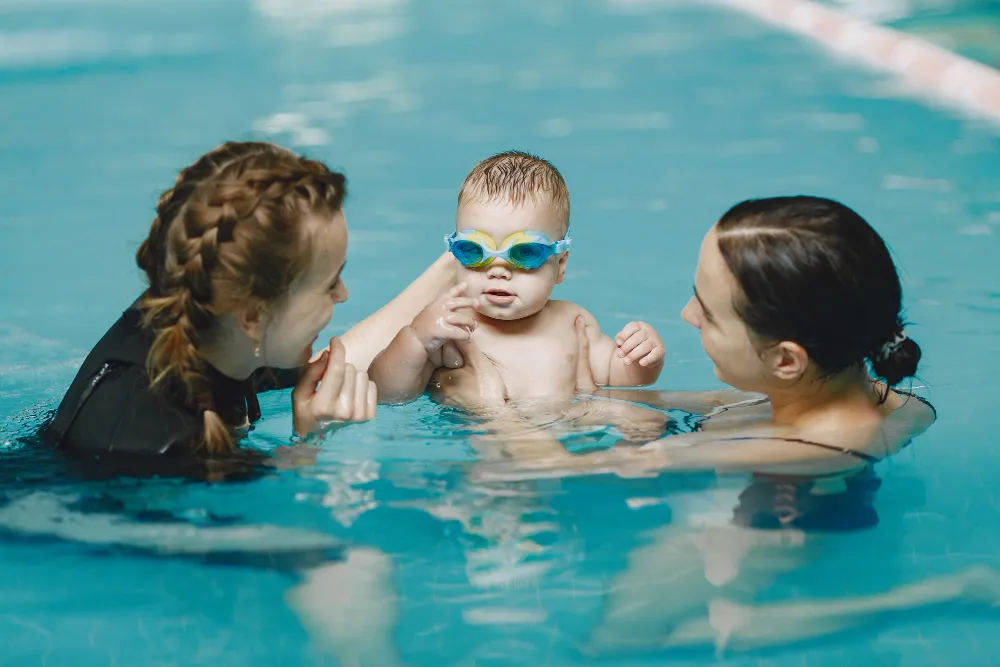
It’s never too early to get your little one comfortable around water. Parent-child classes are a great way to start. These sessions focus on water acclimation and basic safety skills, all while having fun. Think songs, games, and gentle splashing. It’s all about building positive associations with the water from the get-go. Many places recommend starting these as early as six months old.
Kids, Teens, and Even Adults Can Learn
Once kids are a bit older, they can move into more structured lessons. By age 4, most kids are ready to learn actual survival skills like floating and getting to the edge of the pool. By 5 or 6, they’re often mastering strokes like the front crawl. But hey, it doesn’t stop there. Adults who never learned or want to improve their technique can find lessons too. It’s genuinely never too late to learn how to swim. Many adult programs are designed specifically for those who might feel a bit nervous or have a fear of water, focusing on building confidence step-by-step. You can find great adult lessons at places like The Clubs at River City.
Special Needs? There Are Options Too!
Peoria also has programs that cater to individuals with special needs. This can include children or adults with autism, sensory challenges, ADHD, or physical disabilities. These instructors are trained to adapt their teaching methods to suit individual requirements, ensuring a safe and supportive learning environment. They understand that everyone learns differently and at their own pace, making sure the experience is positive and effective for all.
The ‘Learn to Swim’ Guarantee: What Does It Really Mean?
So, you see a place advertising a ‘Learn to Swim’ guarantee. Sounds great, right? Like they’ll magically turn your little guppy into Michael Phelps overnight. But let’s get real for a second. What does that promise actually mean?
Understanding the Promise of Progress
Most of these guarantees aren’t about a literal, iron-clad promise that your kid will be doing flip turns by the end of the session. Instead, they usually mean the program is structured to keep teaching your child until they achieve certain benchmarks. Think of it more as a commitment to continued instruction, not a magical outcome. They’re saying, ‘We’ll keep working with your child until they can do X, Y, and Z,’ which is pretty standard for good swim programs anyway. It’s about consistent progress, not a finished product in a set timeframe. Some places, like The Clubs at River City, focus on a progressive approach where kids move on to the next skill as soon as they master the current one, rather than waiting for the whole class to catch up. That’s a good sign.
What Happens if Your Swimmer Doesn’t Meet Goals?
This is where you need to read the fine print. If a program does have a guarantee, what happens if your child, for whatever reason, doesn’t hit those milestones within the expected period? Do you get more lessons for free? Do they move you to a different class? Or is it just a pat on the back and a ‘try again next year’? A truly solid guarantee will outline a clear path forward, like additional sessions at no extra cost, or perhaps a different teaching approach. It’s important to ask them directly: ‘What happens if my child isn’t swimming independently after this session?’
Is It Just Marketing Hype?
Honestly, sometimes. The term ‘guarantee’ can be a bit of marketing fluff to get you in the door. It’s always wise to look beyond the catchy phrase. What are the actual qualifications of the instructors? How small are the class sizes? Can you observe a class to see the teaching style? A program that’s confident in its methods won’t need to rely solely on a guarantee. They’ll have great instructors, a solid curriculum, and a track record of success. Don’t be afraid to ask tough questions. After all, you’re investing time and money into a vital life skill for your child, and you want to make sure it’s a good investment. You can find out more about local aquatic programs to compare their approaches.
Convenience is Key: Scheduling Your Peoria Swim Lessons
Look, we all know life gets crazy. Between work, school, soccer practice, and trying to remember if you paid the electric bill, fitting in swimming lessons can feel like trying to cram a whale into a bathtub. But here’s the deal: making swim lessons convenient isn’t just about avoiding a headache; it’s about actually making them happen. If it’s a hassle, you’re less likely to stick with it, and that’s a shame when it comes to something as important as water safety.
Finding a Time That Works for Your Busy Life
Let’s be real, your schedule is probably packed tighter than a sardine can. That’s why flexibility is king when it comes to swim lessons. Some places offer classes at all sorts of odd hours – early mornings, late afternoons, even weekends. You need to find a program that can actually accommodate your life, not the other way around. Think about when you’re least likely to be frazzled or when your kiddo is actually in a decent mood. For some, that means an early morning dip before the day gets crazy, while others might prefer a post-work wind-down. It really just depends on your personal rhythm. You can check out options for morning or evening swims to see what fits best.
Home Pool or Community Pool: Your Choice
This is a big one. Do you have your own pool? That’s fantastic! It means you can potentially have an instructor come right to your doorstep, saving you a ton of travel time. If not, no sweat. Most places will have a community pool they work with. The key here is to figure out what’s closest and easiest for you. Driving across town in rush hour traffic to get to a lesson? No thanks. Find a spot that minimizes your travel woes.
The Hassle Factor: Avoiding Traffic and Crowds
Nobody enjoys sitting in traffic, especially when you’ve got a kiddo who’s already bouncing off the walls, eager to get in the water. Or maybe you’re the one who dreads the crowded parking lots and the general chaos of a busy facility. When you’re looking at different swim schools, ask about their scheduling system. Do they make it easy to book and manage lessons online? Are the lesson times staggered to avoid peak crowds? Thinking about these little details can make a huge difference in your overall experience. It’s about making the whole process as smooth as possible, so you can focus on the swimming, not the logistics.
Beyond the Basics: Advanced Skills and Competitive Training
So, your little fish has mastered the basics and is ready to move beyond just not sinking? That’s awesome! Peoria’s pools aren’t just for splashing around; they’re also where serious swimmers hone their craft. We’re talking about refining strokes, building endurance, and maybe even getting a taste of what competitive swimming is all about.
Refining Strokes for Faster Swimming
Once your kiddo can confidently swim a length, it’s time to talk technique. Think of it like this: knowing how to drive a car is one thing, but knowing how to drive it fast and efficiently is another. In swimming, this means focusing on the finer points of strokes like freestyle, breaststroke, and butterfly. Instructors will work on things like body position, arm pull, kick timing, and breathing patterns. Getting these details right makes a huge difference in speed and stamina. It’s about making every movement count, reducing drag, and maximizing propulsion. You might see them practicing drills that isolate specific parts of a stroke, like flutter kicks with a kickboard or drills focusing just on the arm pull. It’s not as glamorous as a full race, but it’s where the real progress happens.
Preparing for Swim Team Tryouts
If your child has shown a real knack for swimming and enjoys the challenge, they might be ready to think about joining a swim team. This is where those advanced skills really come into play. Swim teams often have tryouts, and they’re looking for swimmers who not only know the strokes but can execute them with good form and a decent amount of speed. They’ll want to see that your child can swim a specific distance, like 25 or 50 meters, without stopping, and that they understand the basic rules of competitive strokes. It’s also about showing up with a good attitude and a willingness to work hard. Many local clubs offer developmental teams that are a great stepping stone before jumping into more competitive leagues. It’s a fantastic way to build teamwork and discipline.
Triathlons and Beyond: Pushing Your Limits
Whoa, triathlons? Yes, really! For the truly dedicated or those looking for a new challenge, swimming is a massive part of triathlons and other endurance events. This level of training goes way beyond just stroke refinement. It involves building serious cardiovascular fitness, learning pacing strategies, and developing mental toughness. Swimmers at this stage might be doing longer distances, interval training, and focusing on efficiency over longer periods. It’s about pushing personal boundaries and seeing what your body can do. Even if a full triathlon isn’t on the horizon, the discipline and fitness gained from this type of training are incredible. It’s a testament to how far a little bit of water can take you, from basic survival to serious athletic achievement. You can find more about the importance of learning to swim at local aquatic centers.
Don’t Let Fear Hold You Back: Adult Swimming Lessons in Peoria

Conquering Your Water Phobias
Look, let’s be honest. For a lot of us grown-ups, the water can be a bit… intimidating. Maybe you had a bad experience as a kid, or maybe you just never got around to learning. Whatever the reason, that fear is real, and it can keep you from enjoying a lot of things, like pool parties or even just a relaxing dip on a hot day. But here’s the thing: it doesn’t have to be that way. You can absolutely learn to swim, no matter how old you are or how nervous you feel. The key is finding the right kind of instruction that respects your pace and builds your confidence step by step. Think of it like learning any new skill – it takes a bit of patience and the right guidance. Many places in Peoria offer adult-specific lessons designed to ease you into the water comfortably. You might be surprised at how quickly you can start feeling more at ease, and eventually, even confident. It’s never too late to pick up this life-saving skill.
Learning at Any Age is Possible
Seriously, forget what you think you know about age limits for learning new things. Swimming is one of those skills that truly is for everyone. We’ve seen folks in their 20s, 50s, and even 70s take to the water for the first time and absolutely nail it. The instructors here in Peoria get it; they know that adults learn differently than kids. They’re not going to push you into the deep end before you’re ready. Instead, they focus on making you comfortable, teaching you how to float, how to breathe properly, and how to move through the water safely. It’s all about building that foundation. You can find programs that cater specifically to adults, often with smaller class sizes so you get more personal attention. It’s a fantastic way to improve your fitness, too. Swimming is a great low-impact exercise that’s easy on your joints. So, whether you’re looking to conquer a lifelong fear or just want to pick up a new healthy habit, adult swimming lessons are a solid bet. You can even check out the programs at the Peoria YMCA for a start.
Finding an Instructor Who Understands
When you’re looking for adult swimming lessons, the instructor makes a huge difference. You want someone who is patient, encouraging, and understands that you might be a little apprehensive. They should be able to explain things clearly and demonstrate techniques without making you feel rushed or embarrassed. Don’t be afraid to ask about their experience teaching adults specifically. Some instructors are naturals at working with kids, but others really shine when it comes to helping adults overcome their anxieties. A good instructor will start with the absolute basics, like getting comfortable just putting your face in the water or floating on your back. They’ll celebrate the small victories with you, like that first successful kick or a smooth breath. It’s about building trust and making sure you feel safe and supported throughout the entire process. Remember, the goal is to make swimming an enjoyable experience, not a stressful one. Look for instructors who have a calm demeanor and a positive attitude. They’ll be the ones who can truly help you turn that fear into a fun new skill.
Feeling a little nervous about getting in the water? Don’t let fear stop you from enjoying the pool! Our adult swimming lessons in Peoria are designed to help you feel comfortable and confident. You’ll learn essential skills in a friendly, supportive setting. Ready to make a splash? Visit our website today to sign up and start your swimming journey!
So, What’s the Bottom Line?
Look, learning to swim is a big deal. It’s not just about splashing around; it’s about safety, health, and honestly, just being a more capable human. Peoria has some solid options for getting your kids (or yourself!) in the water and learning the ropes. Don’t overthink it too much. Check out a few places, see who feels right, and get signed up. The sooner you start, the sooner everyone can enjoy the water without worry. Plus, think of the bragging rights when you’re the one doing laps while everyone else is still trying to figure out how to float.
Frequently Asked Questions
When’s the best time to start swimming lessons for my kid?
You know, experts say you can start swim lessons pretty early, like around 1 year old! Parent-child classes are great for getting little ones used to the water and learning safety stuff. By the time they’re 4 or 5, they can usually get the hang of basic survival skills like floating and getting to the edge of the pool. It’s all about what feels right for your child.
What makes a swim instructor really good?
A great instructor is more than just someone who knows how to swim. They should have proper training and certifications, be super patient (especially with nervous kids!), and know how to make learning fun. It’s also a good idea to see if you can watch a class to check out their teaching style and how they interact with the kids.
How long does it usually take to learn how to swim?
Everyone learns at their own pace, but with regular lessons and practice, many people can pick up the basics in just a few weeks. Consistency is key! Some places even offer a ‘Learn to Swim Guarantee,’ which means they’re pretty confident your child will pick up essential skills within a certain number of lessons.
Is it ever too late to learn how to swim as an adult?
Absolutely not! It’s never too late to learn. Lots of adults start swimming lessons later in life and find it really rewarding. A good instructor will work with you at your own speed and help you get comfortable and confident in the water.
What’s the difference between private and group swim lessons?
In private lessons, you get all the instructor’s attention, which can help you learn faster because it’s tailored just for you. Group lessons are cool because you learn with other kids, which can be fun and motivating. It really depends on what works best for your child’s personality and learning style.
Why are swimming lessons so important for safety?
It’s a big deal because drowning is a leading cause of accidental deaths for kids. Knowing how to swim is a vital life skill that can prevent tragedies. Even simple skills like knowing how to get to the side of the pool or float can make a huge difference if something unexpected happens.
What should I expect in my child’s first few swim lessons?
Usually, the first lessons are all about getting comfortable in the water. Your child might practice floating, kicking, and maybe even dunking their head a little. The goal is to build confidence and make sure they feel safe and happy splashing around.
Can I find swim lessons at community centers in Peoria?
Definitely! Don’t overlook community centers. They often have great indoor pools and offer swimming lessons for all ages. They can be a really convenient and affordable option for families looking to get started.


