 By Bt Stew
 So, you want to build a killer strength and conditioning program for athletes? It’s not just about throwing weights around and hoping for the best. Think of it like this: you wouldn’t build a house without a blueprint, right? Same goes for training. You need a solid plan that actually fits the person you’re working with. We’re talking about making sure their training matches their sport, their goals, and even their past injuries. It’s all about being smart, not just strong. Let’s break down how to make your Strength and Conditioning Programs really work.
Key Takeaways
- First things first, really get to know your athlete. What sport do they play? What are they good at, and where do they need work? Don’t forget about any old injuries or movement issues they might have. This is the bedrock of any good Strength and Conditioning Program.
- You’ve gotta have goals. Make them clear, measurable, and actually related to what the athlete wants to achieve in their sport. If the athlete doesn’t know where they’re going, how can the program get them there?
- Programs need to follow some basic rules. Make things a little harder over time (progressive overload), switch things up to keep it interesting and avoid plateaus (variation), and always make sure the exercises actually help with what they do in their sport (specificity).
- Think about the whole year. You can’t train the same way all the time. Break your training down into phases – like off-season, pre-season, and in-season. This helps athletes peak at the right times and avoids burnout. It’s all about planning.
- Don’t forget to talk to your athletes. Explain why you’re having them do certain exercises. Listen to what they say about how they feel and how they’re recovering. A program works best when the athlete is on board and you can adjust things as needed.
Understanding Your Athlete: The Foundation Of Effective Strength And Conditioning Programs
Alright, let’s talk about the absolute starting point for any good training plan. Before you even think about writing down sets and reps, you’ve gotta really get to know the person you’re coaching. It’s like trying to build a house without knowing who’s going to live in it or what the land is like – it’s just not going to work out well.
Conducting A Thorough Needs Analysis
This is where you figure out what the athlete actually needs. It’s not a one-size-fits-all deal. You need to look at their sport, their specific position within that sport, and how serious they are about it. A football lineman has totally different demands than a marathon runner, right? So, you gotta break down what their sport requires physically. What muscles are used most? What energy systems are they relying on? What kind of movements are happening over and over?
- Sport Demands: What does the game/activity actually ask of them?
- Position Demands: How does their specific role change those needs?
- Competitive Level: Are they playing for fun, or are they aiming for the pros?
Identifying Individual Strengths And Weaknesses
Once you know what the sport needs, you look at the athlete. What are they already good at? Where do they struggle? Maybe they’re super strong but lack speed, or they have great endurance but can’t generate much power. You can get a good idea by watching them move, maybe even asking them to show you key lifts or movements related to their sport. This honest assessment is key to building a program that actually helps them improve.
Here’s a quick way to think about it:
| Area | Athlete A (Example) | Athlete B (Example) |
|---|---|---|
| Strength | Good | Needs Work |
| Speed | Needs Work | Good |
| Endurance | Okay | Okay |
| Power | Good | Needs Work |
Considering Injury History And Movement Deficiencies
This part is super important for keeping them healthy and on the field (or court, or track). Has this athlete had past injuries? Are there any movements that look a bit off, maybe causing pain or just not looking right? Sometimes, a simple movement screen can show you things like tight hips, weak shoulder stabilizers, or imbalances that could lead to bigger problems down the line. Addressing these issues early on isn’t just about making them better athletes; it’s about making sure they can keep training and competing without getting hurt.
Ignoring an athlete’s past injuries or current movement quirks is like building a house on shaky ground. You might get away with it for a while, but eventually, something’s going to give. It’s way smarter to build a solid foundation by fixing those underlying issues first.
Setting Clear Goals For Peak Performance
Alright, let’s talk about goals. If you’re trying to get an athlete to perform better, you can’t just wing it. You need a clear target, something to aim for. Think of it like trying to hit a bullseye without knowing where the target is – pretty tough, right?
Defining Realistic And Measurable Objectives
This is where we get specific. Vague goals like ‘get stronger’ or ‘run faster’ don’t cut it. We need to nail down exactly what we want to achieve and how we’ll know we’ve gotten there. This is where the SMART framework comes in handy. It’s not just a buzzword; it’s a practical tool.
- Specific: What exactly are we trying to do? (e.g., increase vertical jump height, improve 10-yard dash time).
- Measurable: How will we track progress? (e.g., by inches, by seconds, by pounds).
- Achievable: Is this goal actually possible given the athlete’s current level and training time?
- Relevant: Does this goal actually help the athlete in their sport?
- Timely: When do we want to achieve this by? (e.g., by the end of the pre-season, before the championship game).
For example, instead of ‘jump higher,’ a goal might be: ‘Increase vertical jump by 3 inches in the next 8 weeks.’ See the difference? It’s concrete.
Aligning Goals With Athlete’s Sport And Aspirations
What works for a marathon runner is totally different from what a football player needs. We have to consider the demands of their specific sport. A sprinter needs explosive power, while a basketball player needs endurance and agility. We also need to think about what the athlete wants. Are they aiming for a college scholarship? A professional contract? Or just to be the best they can be on their current team? Their personal ambitions matter a lot.
Here’s a quick look at how goals might differ:
| Sport | Primary Performance Goal(s) | Secondary Goal(s) |
|---|---|---|
| Soccer | Improve aerobic capacity, increase sprint speed, agility | Core strength, injury prevention, kicking power |
| Basketball | Enhance vertical jump, improve lateral quickness, stamina | Shoulder strength, hand-eye coordination, balance |
| Powerlifting | Maximize squat, bench press, and deadlift strength | Grip strength, mobility, muscular endurance (for reps) |
Communicating Goals For Athlete Buy-In
This is super important. If the athlete doesn’t understand or agree with the goals, they’re not going to be as motivated. We need to sit down with them, explain why these goals are important, and how the training program is designed to get them there. It’s a team effort. When they feel heard and understand the plan, they’re way more likely to put in the work.
When athletes are involved in setting their own targets and understand the ‘why’ behind the training, their commitment skyrockets. It transforms the process from something being done to them into something they are actively driving themselves. This shared ownership is a massive motivator.
So, remember: clear, sport-specific, and athlete-approved goals are the bedrock of any successful training plan. Without them, you’re just guessing.
The Principles Of Program Design
Alright, so you’ve figured out what your athlete needs and what they’re aiming for. Now, let’s talk about how to actually build the training plan. It’s not just about picking random exercises; there are some core ideas that make a program actually work. Think of these as the building blocks for getting your athlete stronger, faster, and better.
Applying Progressive Overload For Continuous Improvement
This is probably the most important concept. Basically, you can’t just do the same thing over and over and expect to get better. Your athlete’s body is smart; it adapts. So, to keep them improving, you’ve got to gradually ask for more. This doesn’t always mean lifting heavier weights, though that’s a big part of it. You can also increase the number of reps, do more sets, shorten rest times, or even make the exercises a bit harder to perform. The key is that the challenge slowly goes up over time.
- Gradually increase the weight. This is the classic way to progress.
- Add more reps or sets. If they can do 8 reps, aim for 9 or 10 next time, or add an extra set.
- Reduce rest periods. Shorter breaks between sets make the workout more demanding.
- Improve technique. Sometimes, just doing the exercise better is a form of progression.
You’re always trying to push the envelope just a little bit. If you ask for too much too soon, you risk injury or burnout. But if you don’t ask for enough, you’ll stall out. It’s a balancing act.
Utilizing Variation To Prevent Stagnation
While progressive overload is about increasing the challenge, variation is about keeping things fresh and avoiding plateaus. If you do the exact same workout every single week, your body might get really good at that specific workout, but it might stop adapting to new stresses. Mixing things up can hit the muscles and systems in slightly different ways, which can lead to new gains. This doesn’t mean changing exercises every single day, but rather planning out cycles where different movements or training styles are emphasized.
- Change exercises: Swap out a barbell squat for a front squat or a dumbbell press for an incline press.
- Alter rep ranges: Spend some time in lower rep ranges for strength, then move to higher reps for muscle growth.
- Modify training methods: Introduce techniques like tempo training or pauses.
Ensuring Specificity To Sport Demands
This one’s pretty straightforward: train for what the sport actually requires. A marathon runner needs different training than a basketball player, and a powerlifter needs something else entirely. You need to look at the movements, the energy systems used, and the types of strength and power needed for that specific sport. If an athlete needs to jump high, you need to train jumping and the muscles involved in jumping. If they need to sprint, you train sprinting. It sounds obvious, but it’s easy to get sidetracked with cool-looking exercises that don’t actually help their sport performance.
| Sport Demands | Training Focus |
|---|---|
| Explosive Power | Plyometrics, Olympic lifts, sprints |
| Muscular Endurance | Higher reps, shorter rest, circuit training |
| Max Strength | Heavy lifting, lower reps, longer rest |
| Speed & Agility | Sprint drills, change of direction drills |
Structuring Your Strength And Conditioning Programs With Periodization
Think of periodization like planning out your year of training. You wouldn’t try to sprint your fastest marathon or lift your heaviest weight on the same day you’re just starting out, right? It’s the same idea for athletes. Periodization is basically breaking down your training into different phases, each with its own main focus. This helps athletes get stronger, faster, and more powerful over time without hitting a wall or getting injured.
Understanding Seasonal Training Cycles
Athletes’ training needs change throughout the year, depending on their sport’s schedule. You’ve got the off-season, pre-season, in-season, and post-season. Each of these periods has different demands. The off-season might be for building a base, while the in-season is all about maintaining performance and peaking for competition. Ignoring these natural shifts is a recipe for burnout or underperformance.
Implementing Macrocycles For Annual Planning
A macrocycle is your big picture plan, usually covering a full year. It’s where you map out the major phases of training. For example, you might plan for a hypertrophy block (building muscle) in the early off-season, followed by a strength block, then a power block as the competitive season approaches. This annual plan sets the stage for everything else.
Manipulating Training Variables Across Phases
Within your macrocycle, you’ll have smaller cycles like mesocycles (a few weeks to a couple of months) and microcycles (usually a week). In each phase, you’ll adjust things like how much weight you lift (intensity), how many reps you do (volume), and how much rest you take. For instance, a hypertrophy phase might focus on higher reps with moderate weight, while a strength phase would flip that to lower reps with heavier weight. This constant tweaking keeps the body adapting and improving.
Here’s a look at how you might structure a 16-week block, for example:
- Weeks 1-4: Hypertrophy. Focus on building muscle mass and work capacity. Think moderate weight, higher reps (8-12), and shorter rest periods.
- Weeks 5-8: Strength. Time to get serious about lifting heavier. Lower reps (3-6) with heavier loads and longer rest.
- Weeks 9-12: Power. This is where speed and explosiveness come in. You’ll use lighter weights but move them as fast as possible, or focus on plyometrics.
- Weeks 13-16: Peaking/Competition. Fine-tuning for peak performance. This might involve reduced volume and intensity to allow for full recovery and maximum output.
The key is to not do the same thing all the time. Your body gets used to a stimulus, and then it stops changing. Periodization is all about giving your body the right stimulus at the right time to keep it guessing and keep it growing.
Key Components Of A Comprehensive Program
So, we’ve talked about figuring out what your athlete needs and setting some solid goals. Now, let’s get into the nitty-gritty of what actually goes into a training plan. Think of this as the toolbox you’ll be using to build that peak performance. It’s not just about lifting heavy things; it’s about building a well-rounded athlete.
Developing Endurance and Stamina
This is all about keeping your athlete going strong, whether it’s for a whole game, a long race, or just getting through a tough practice without hitting a wall. We’re talking about their aerobic and anaerobic systems. For team sports, this might mean interval training that mimics game play – short bursts of intense effort followed by brief recovery. For endurance athletes, it’s about building that base with longer, steady efforts, but also throwing in some tempo runs or high-intensity intervals to push their limits.
- Aerobic Base Building: Longer, slower sessions to improve oxygen use.
- Anaerobic Capacity: High-intensity intervals to handle short, explosive efforts.
- Sport-Specific Conditioning: Drills that mimic the demands of their actual sport.
Enhancing Flexibility and Mobility
This is where you help your athlete move better and feel less stiff. Flexibility is about how far a muscle can stretch, while mobility is about how well a joint can move through its full range of motion. Both are super important for preventing injuries and letting them perform movements cleanly. Think dynamic stretching before workouts to warm up those joints and static stretching after to help with recovery and flexibility gains. Yoga or dedicated mobility sessions can also be game-changers.
Improving Balance and Proprioception
Balance is pretty straightforward – staying upright. Proprioception is a bit more technical; it’s your body’s awareness of where it is in space. This is huge for athletes, especially those who need to change direction quickly or react to unpredictable situations. Exercises on unstable surfaces, single-leg drills, or even just practicing landing mechanics can really sharpen these skills. Good balance and body awareness mean fewer stumbles and better control.
Building Speed and Power
This is the ‘wow’ factor – the explosive movements that make athletes exciting to watch. Speed is about how fast they can move, and power is about applying force quickly. This often involves plyometrics (like box jumps and bounds), Olympic lifts (cleans, snatches), and sprint training. The key here is quality over quantity; you want them moving explosively, not just going through the motions. It’s about teaching their bodies to generate force in a hurry.
When you’re putting together a program, remember that these components aren’t isolated. They all work together. An athlete with great power but poor stamina will fade. Someone with amazing flexibility but weak balance might get injured easily. The goal is to build a complete package, not just focus on one shiny attribute. It’s about creating an athlete who is resilient, capable, and ready for anything their sport throws at them.
Adapting And Refining Your Strength And Conditioning Programs
Alright, so you’ve got a killer program designed, right? Awesome. But here’s the thing: training isn’t a ‘set it and forget it’ kind of deal. Athletes aren’t robots, and life happens. That’s where adapting and refining come into play. It’s all about being smart and flexible.
Monitoring Athlete Progress And Fatigue
First off, you gotta keep an eye on how your athlete is doing. Are they crushing their lifts, or are they dragging their feet? Paying attention to their energy levels, how sore they are, and their general mood can tell you a lot. Sometimes, a simple chat can reveal if they’re stressed about school or work, which totally impacts their training.
- Track their performance: Are they hitting their numbers? Are they getting stronger or faster?
- Listen to their body: How are they feeling? Are they recovering well between sessions?
- Watch for signs of burnout: Are they consistently tired, irritable, or losing motivation?
Making Adjustments Based On Real-Time Feedback
This is where the rubber meets the road. If your athlete is totally wiped out, pushing them harder might just lead to injury or burnout. Instead, maybe you dial back the intensity for a bit, swap out a tough exercise for something easier, or add an extra rest day. It’s about being responsive.
The goal isn’t to stick rigidly to the plan if the plan isn’t working for the athlete right now. It’s about making informed decisions to keep them moving forward safely and effectively.
For example, if an athlete is supposed to do heavy squats but is complaining of knee pain, you don’t just tell them to ‘push through it.’ You might switch to lighter squats with more reps, or even do a different leg exercise altogether for that day. It’s about problem-solving on the fly.
Incorporating Deloads For Smart Training
Think of deloads as planned recovery weeks. They’re not about slacking off; they’re about letting the body and mind recharge so you can come back stronger. Pushing hard all the time without breaks is a recipe for disaster. A typical deload might involve reducing the weight, the number of sets, or the overall volume of training for a week.
Here’s a simple way to think about structuring a deload week:
- Reduce Intensity: Lower the weight you’re lifting, maybe to 50-60% of what you normally use.
- Decrease Volume: Cut down the number of sets or reps you’re doing.
- Focus on Technique: Use this time to really hone in on your form and movement patterns.
This smart approach helps prevent overtraining and keeps your athlete performing at their best in the long run.
The Crucial Role Of Communication In Training Success
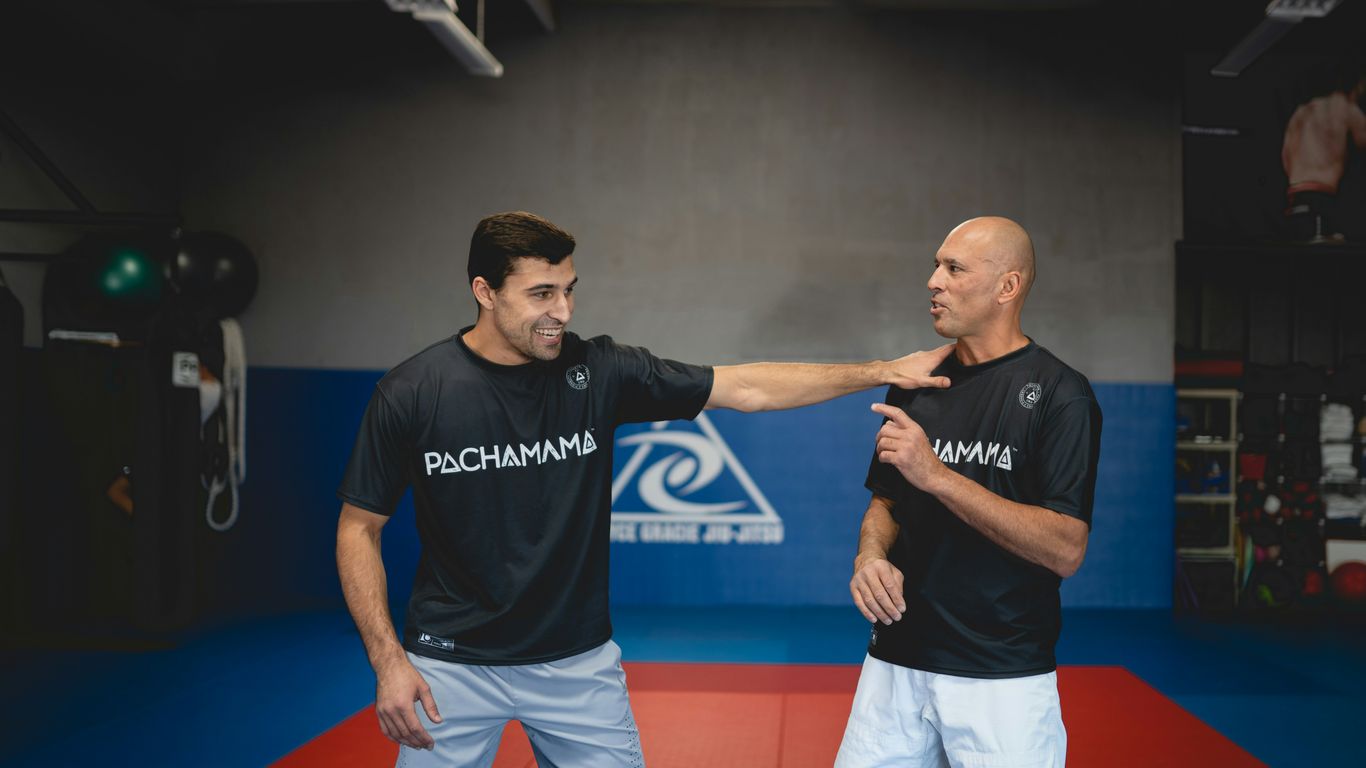
Look, even the most perfectly crafted training plan is pretty useless if the person doing the work doesn’t really buy into it. That’s where talking, really talking, with your athlete comes in. It’s not just about handing them a sheet of paper with exercises; it’s about making them a partner in their own progress.
Educating Athletes On Training Purpose
When an athlete gets why they’re doing a certain drill or lifting a specific weight, they’re way more likely to put in the effort. It’s like knowing the destination before you start a road trip. You need to explain how that plyometric drill helps them jump higher in their sport, or how that heavy squat translates to more power on the field. Don’t just say "do this"; explain "do this because it will help you with X, Y, and Z."
- Explain the "why" behind every exercise.
- Connect drills directly to sport-specific actions.
- Show them how progress in the gym impacts performance on the court/field.
Fostering Trust And Building Relationships
This is huge. If your athlete trusts you, they’ll be more open to pushing themselves and more likely to stick with the plan, even when it gets tough. Building that trust means being consistent, honest, and showing that you genuinely care about their well-being and success. It’s about being more than just a coach; it’s about being a reliable figure they can count on.
Building a solid relationship isn’t just about being buddies. It’s about creating an environment where the athlete feels heard and understood. When they know you’ve got their back and you’re looking out for their best interests, they’ll give you their best effort.
Encouraging Athlete Feedback And Collaboration
Your athlete is the one in the trenches day in and day out. They know how their body feels better than anyone. You need to create an open channel for them to tell you if they’re feeling overly tired, if something hurts, or if a particular exercise just isn’t clicking. This feedback is gold. It allows you to make smart adjustments to the program before small issues become big problems. Think of it as a team effort – you’re the architect, but they’re the builder on site, and their input is vital.
| Feedback Area | Athlete Report Example |
|---|---|
| Fatigue Level (1-5) | "I’m feeling a 4 today, pretty wiped." |
| Soreness (Location) | "My hamstrings are really tight after yesterday’s work." |
| Exercise Difficulty | "That last set of lunges felt way harder than usual." |
| General Well-being | "Slept poorly last night, feeling a bit off." |
Clear talking is super important when you’re trying to get better at something. It helps everyone understand what to do and why. When trainers and trainees talk openly, it makes learning smoother and leads to better results. Good communication builds trust and makes the whole training experience more successful. Want to see how we make training work for you? Visit our website today!
Wrapping It Up
So, there you have it. Designing a solid strength and conditioning program isn’t some secret handshake; it’s about really getting to know the person you’re coaching. Understand what they need, what their sport is all about, and what they’re trying to achieve. Then, you build a plan that makes sense, using smart progression and knowing when to switch things up. Don’t forget to talk to your athletes, keep them in the loop, and be ready to adjust when life happens. It’s not about fancy exercises, it’s about a structured approach that actually gets results for that specific athlete. Keep learning, keep coaching, and you’ll be good.
Frequently Asked Questions
Why is it so important to know about the athlete before I even start planning their workouts?
Think of it like building a house! You wouldn’t start hammering nails without knowing if you’re building a small cabin or a big mansion, right? Each athlete is different. They have unique strengths, maybe some old injuries, and play different sports. Knowing all this helps you build a training plan that actually helps *them* get better, instead of just doing random exercises that might not even work or could even cause harm. It’s all about making the training fit the person, not the other way around!
How do I make sure my training plan keeps working and doesn’t get boring?
This is where things like ‘progressive overload’ and ‘variation’ come in. Basically, you need to slowly make the workouts a little tougher over time – maybe lift a bit more weight, do more reps, or shorten rest times. But you also need to switch things up! Doing the exact same thing forever can make your body stop changing and lead to boredom. So, you mix in different exercises or change how you do them to keep your body guessing and growing.
What’s this ‘periodization’ thing I keep hearing about?
Periodization is like planning your training year in chunks. Instead of training super hard all the time, you break it down into different phases. For example, you might have an ‘off-season’ phase where you focus on building general strength, then a ‘pre-season’ phase where you get more specific to your sport, and an ‘in-season’ phase where you maintain your fitness while playing. It helps you get stronger and faster at the right times, especially when it counts during competitions, and avoids burning out.
Besides lifting weights, what else should be in a good training program?
A great program is like a well-rounded meal! It’s not just about lifting heavy things. You also need to work on your endurance so you don’t get tired too quickly, your flexibility and mobility to move smoothly and prevent injuries, and your balance and coordination. Don’t forget about speed and power, which are super important for most sports. Covering all these areas helps you become a more complete athlete.
My athlete seems really tired lately. What should I do?
That’s a sign to pay attention! Athletes can’t just push hard all the time. Sometimes, they need a ‘deload’ week, which is basically a planned period of lighter training. It’s not about slacking off; it’s about letting the body recover and get stronger before it gets too beat up. You also need to watch how they’re doing overall and be ready to tweak the plan based on how they feel, how they’re sleeping, and how they’re performing. Listening to your athlete is key!
Why is talking to my athlete so important?
Imagine you’re building a secret treehouse with a friend. If you don’t talk about what you’re doing or why, it might not turn out how either of you wanted! With training, if athletes don’t understand *why* they’re doing certain exercises or how it helps them, they might not be as motivated. Talking openly, explaining the ‘why,’ listening to their feedback, and building trust makes them feel like part of the team. This makes them more likely to stick with the plan and work their hardest.


![[Dexter Jackson] on stage, bodybuilding physique, confident pose.](https://b2881679.assetcdn.net/2.0/2881679/wp-content/uploads/2026/09/journalist2Fa5899a9e-621c-4394-a601-8d575808094d2Fthumbnail-768x432.jpeg?lossy=1&strip=1&webp=1)