 By Bt Stew
Steps for Proper Lifting Technique in the Correct Order.
As we tackle the challenge of lifting objects safely, there’s a specific sequence of steps that can make a significant difference in preventing injuries. Beginning with an assessment of the load’s weight, we lay the foundation for a successful lift. This initial evaluation is crucial, much like the approach taken in weight training Peoria IL facilities, where proper form and technique are emphasized. But what comes next? Let’s explore the crucial steps that follow this initial evaluation and dive into the intricate details of establishing a solid lifting technique.
After assessing the weight, it’s essential to position yourself correctly in relation to the object. This involves standing close to the load with your feet shoulder-width apart, similar to the stance you might adopt during weight training Peoria IL sessions. Maintaining a stable base is key to distributing the load evenly and reducing strain on your back and legs. From there, we’ll examine how to engage your core muscles, use proper hand placement, and execute the lift with a smooth, controlled motion to ensure safety and efficiency in any lifting scenario.
Size up the Load
When evaluating the load, consider its weight and size before attempting to lift. It’s crucial to assess the object’s heaviness to prevent straining our muscles.
Proper lifting techniques are essential to protect our bodies from injuries. Before lifting a heavy object, ensure your posture is correct to avoid back strain. Maintaining a straight back and bending at the knees will help distribute the weight evenly.
Additionally, having a secure grip on the object is vital for a successful lift. Make sure your hands are positioned properly to maintain control during the lift.
Plan the Job
Before we start lifting, it’s crucial to consider the safety precautions to ensure a smooth process.
We need to assess the environment, identify any potential hazards, and plan our strategy accordingly.
Taking the time to plan the job can help prevent accidents and injuries.
Safety Precautions
To ensure a safe lifting process, it’s crucial to carefully plan the job by assessing the weight, size, and potential hazards of the object. Safety precautions are vital to minimize the risk of injury when lifting heavy objects. Proper lifting techniques, such as bending at the knees and keeping the back straight, can prevent strain and damage to muscles.
Avoiding improper lifting methods, like twisting while lifting or overreaching, is essential to maintain a safe lifting environment. It’s important to be aware of one’s limitations and not exceed them when lifting heavy items. Additionally, using equipment such as lifting belts or asking for assistance from a coworker can further enhance safe lifting practices.
Prioritizing safety by following established protocols and guidelines for lifting can significantly reduce the chances of accidents or injuries in the workplace. Remember, practicing safe lifting techniques isn’t just about completing a task but ensuring the well-being and health of everyone involved.
Establish Base of Support
How do we ensure a stable foundation when lifting objects? Establishing a solid base of support is crucial to prevent injuries and maintain proper form. To achieve this, position your feet shoulder-width apart to provide stability and balance. You can also use a staggered stance, with one foot slightly in front of the other, to distribute your body weight evenly. This stance helps to prevent tipping or swaying while lifting objects. By ensuring your feet are in the correct lifting position, you set the groundwork for a safe and effective lift.
| Base of Support | Description | Importance |
| Feet Shoulder-Width | Position feet hip-width apart to create a stable foundation. | Ensures balance and stability during the lift. |
| Staggered Stance | Place one foot slightly in front of the other for weight distribution. | Helps prevent swaying or tipping while lifting. |
| Proper Form | Maintain a straight posture with knees slightly bent. | Reduces strain on the back and promotes proper lifting mechanics. |
| Lifting Position | Keep the object close to your body while lifting. | Minimizes stress on the back muscles and reduces the risk of injury. |
| Body Weight | Distribute weight evenly between both feet. | Prevents overloading one side of the body and maintains balance. |
Bend at Knees
When we lift, we need to remember to bend at the knees. This action helps us maintain proper alignment and reduces strain on our lower back.
It’s crucial for preventing injuries and promoting safe lifting practices.
Proper Knee Bending
Keeping your knees slightly bent is crucial for maintaining proper lifting posture. When we bend our knees while lifting, we engage our leg muscles, which are much stronger than our back muscles. This proper technique not only reduces the strain on our back but also allows us to utilize the power of our legs.
By incorporating proper knee bending into our lifting method, we ensure that our body mechanics are aligned correctly, promoting a safer and more efficient lift. It’s essential to remember that lifting with straight legs can lead to unnecessary stress on the spine, increasing the risk of injury. Therefore, by bending at the knees, we’re utilizing our muscle strength more effectively and reducing the chances of straining our back.
Proper knee bending is a fundamental aspect of maintaining good form while lifting and plays a significant role in preventing potential injuries.
Get a Grip
Securing a firm grip is crucial when practicing proper lifting technique. A strong hold ensures safety and stability throughout the lifting process. To achieve this, follow these key steps:
- Check the Grip Load: Before lifting any manual materials, assess the weight and size of the object to determine the appropriate grip strength needed. Ensure your grip matches the load to prevent accidents or strain.
- Maintain an Adequate Grip: Once you determine the grip load, make sure to hold the object securely with your fingers and palm. Avoid a loose grip that could lead to slipping or dropping the item during the lift.
- Conduct Material Handling Inspections: Regularly inspect manual materials for any damages or slippery surfaces that could affect your grip. This proactive approach minimizes risks and promotes a safer lifting environment for you and those around you. Remember, a secure grip is the foundation for a successful lift.
Lift With Legs, Not Back
When lifting, we must remember to engage our leg muscles to bear the weight properly. By bending our knees and using the strength of our legs, we can avoid straining our back muscles.
This technique not only protects our back but also helps us lift heavier objects more safely.
Leg Muscles Engagement
Engaging the leg muscles properly is essential when lifting to prevent strain on the back. When lifting heavy loads, following proper lifting principles can help prevent injuries and muscle fatigue. Here’s how to engage your leg muscles effectively during the lifting process:
- Squat Down: Begin by bending your knees and lowering your body towards the object you intend to lift. This action engages your leg muscles and prepares them for the upcoming effort.
- Keep Back Straight: As you lift the object, make sure to keep your back straight. This technique ensures that the leg muscles bear the brunt of the weight, reducing the strain on your back muscles.
- Push Through Heels: Focus on pushing through your heels as you lift the object. This technique activates the powerful muscles in your legs, allowing you to lift with more strength and stability while protecting your back.
Keep Load Close
To prevent strain on your back, always keep the load close to your body while lifting. This is a crucial aspect of proper lifting technique that’s often overlooked. By keeping the load close, you reduce the amount of strain on your back muscles and decrease the risk of injury.
When lifting, make sure to stand close to the object and grip it securely. This proximity allows you to utilize the strength of your arms and legs effectively. Additionally, keeping the load close helps to maintain better balance and control during the lifting process.
In the context of proper lifting technique steps, the importance of keeping the load close can’t be overstated. It’s one of the fundamental principles that should be followed to ensure safe lifting practices. Remember, the goal is to work smarter, not harder. So, next time you lift a heavy object, focus on keeping it close to your body throughout the lifting motion. By doing so, you’ll not only protect your back but also make the task easier and more efficient.
Pivot, Don’t Twist
When lifting heavy objects, we should remember to pivot our entire body instead of twisting at the waist.
Twisting can strain our back muscles and lead to injuries.
Avoid Twisting When Lifting
Pivoting instead of twisting when lifting heavy objects can help prevent back injuries. When we avoid twisting our bodies while lifting, we maintain correct posture and protect our backs.
Here are three key points to consider when lifting to avoid twisting:
- Position Yourself Correctly: Make sure your feet are shoulder-width apart, and the object is close to your body. Keeping the object centered in front of you’ll help you avoid unnecessary twisting.
- Engage Your Core Muscles: Contracting your core muscles provides stability and support to your spine. This helps you maintain a strong and straight back posture while lifting, reducing the risk of injury.
- Pivot Your Feet: Instead of twisting your back, pivot your feet in the direction you need to move. This movement allows your whole body to turn with the object, minimizing strain on your back. Remember, it’s about moving your feet, not your torso.
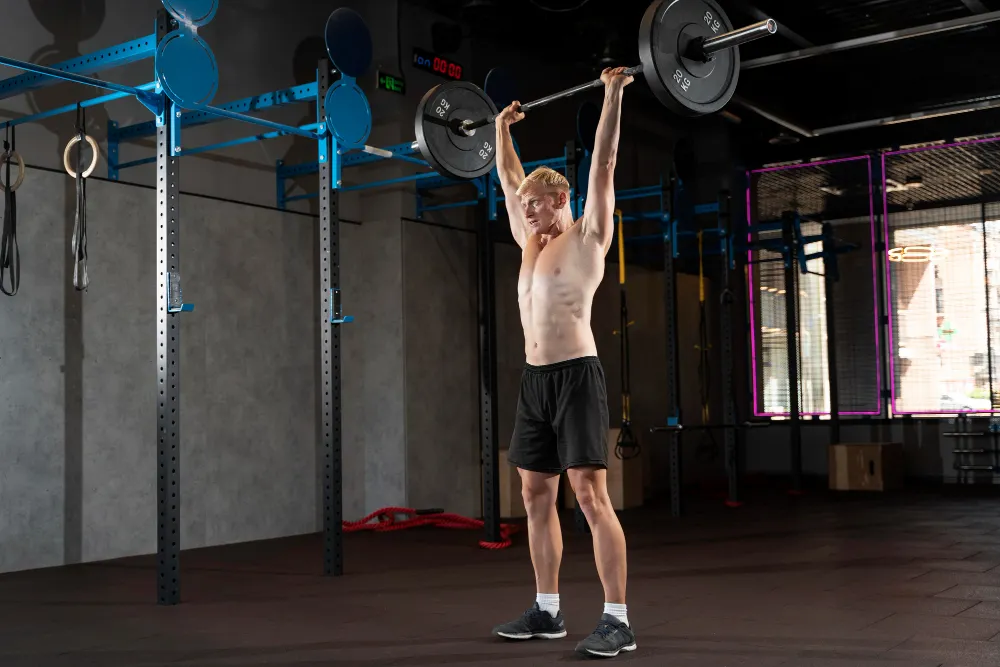
Position Body Close
How can we ensure we position our bodies close when lifting objects?
To maintain proper form and reduce the risk of injury, it’s crucial to position our bodies close to the object we intend to lift. By doing so, we can engage our major muscles effectively and minimize strain on the back. When lifting, it’s essential to maintain a neutral posture by keeping the spine in a natural alignment. This posture helps distribute the weight evenly and prevents unnecessary stress on the spine.
Additionally, muscle flexibility plays a significant role in ensuring we can position our bodies close when lifting. Flexible muscles allow for a greater range of motion, making it easier to reach and lift objects without overreaching or straining. By incorporating stretching exercises into our routine, we can improve our muscle flexibility and enhance our lifting capabilities.
Squat With Straight Back
Let’s focus on the importance of core strength when squatting with a straight back.
Engaging the core muscles helps stabilize the spine and maintain proper alignment throughout the lift.
This foundational strength is key to preventing injuries and maximizing the effectiveness of your squat.
Subheading: Core Strength Importance
Building a strong core is essential for maintaining proper form when performing a squat with a straight back. Strengthening the core muscles, including the stomach muscles, is crucial to prevent muscle strains and pulls, especially in the upper body.
Here are three reasons why core strength is important for squatting with a straight back:
- Stability: A strong core provides a stable base for the upper body during a squat, reducing the risk of injury and allowing for better control of the movement.
- Posture: Core muscles help support the spine and keep it in a neutral position, which is vital for maintaining a straight back while squatting. Proper posture also enhances overall performance and reduces strain on the lower back.
- Power Transfer: A strong core facilitates the transfer of power from the lower body to the upper body, enabling more efficient and effective movement when lifting weights or performing any physical activity.
Securely Grip Load
To ensure a secure grip on the load, firmly wrap your fingers around it and maintain a strong hold throughout the lifting process. Neglecting this step can lead to injuries such as strained ligaments due to the load slipping or shifting unexpectedly.
Proper form is crucial to securely grip the load; failing to do so may result in improper form, increasing the risk of accidents and injuries. By securely gripping the load, you provide stability and control over the object, reducing the chances of it slipping from your hands.
Additionally, a secure grip helps distribute the weight more evenly, preventing excessive strain on specific areas of your body. Remember, a strong and secure grip not only protects you from potential injuries but also ensures a more efficient and effective lifting technique.
Slowly Lift With Legs
Let’s talk about the crucial aspect of slowly lifting with our legs when it comes to proper lifting techniques.
This step is essential for protecting our back muscles and preventing injuries.
Proper Lifting Technique Essentials
Engaging the core muscles while slowly lifting with the legs is essential for maintaining proper form and preventing injury during lifting activities. When it comes to proper lifting technique essentials, there are key points to keep in mind:
- Protecting Joints: By using the legs to lift the load, you reduce strain on your joints, especially the ones in your back. This can help prevent musculoskeletal disorders that often result from improper lifting techniques.
- Ergonomics: Following ergonomic principles ensures that your body is positioned optimally during lifting. This includes keeping the load close to your body and maintaining a neutral spine position.
- Avoiding Back Belts: While back belts are sometimes used for support, relying solely on them can weaken the core muscles over time. It’s more effective to strengthen these muscles and lift with proper form to prevent injury.
Set Down the Load
Gently place the load on the designated surface to avoid sudden drops or impacts. After lifting heavy items correctly, it’s crucial to set down the load mindfully to prevent injuries. Lower the load slowly, utilizing your leg muscles, and keep it close to your body. This controlled movement reduces strain on your back, shoulders, and chest. Avoid twisting or jerking motions when setting down the load to protect your discs and muscles.
Rest the load securely on the surface, making sure it’s stable before releasing your grip entirely. This step is just as important as the lifting process, as improper setting down can lead to accidents or muscle strain. By following the correct technique, you not only prevent immediate injuries but also reduce the risk of chronic musculoskeletal issues in the long run. Remember, the way you set down heavy objects is just as crucial as how you lift them.
Muscle Injury Risks
Let’s address the common risks of muscle injury that can occur when lifting improperly. Understanding these risks is crucial to preventing potential harm to our bodies.
Common Muscle Injury Risks
To prevent common muscle injury risks, proper lifting technique is crucial. When it comes to lifting heavy objects, following ergonomic lifting principles can significantly reduce the chances of injury. Here are some common muscle injury risks to be aware of:
- Improper Lifting Techniques: Using your back instead of your legs when lifting heavy objects can lead to strains and sprains. It’s essential to bend your knees, keep your back straight, and lift with your legs to prevent unnecessary stress on your muscles.
- Nonspecific Back Pain – Lifting: Lifting objects incorrectly can result in nonspecific back pain, which can be debilitating. By mastering proper lifting techniques, you can avoid putting undue strain on your back muscles and prevent this type of pain.
- Sports Medicine Considerations: Athletes and individuals engaged in sports activities are particularly prone to muscle injuries due to improper lifting form. By incorporating injury prevention strategies and practicing safe lifting habits, individuals can minimize the risk of muscle-related injuries in sports and physical activities.
Disc and Joint Injury Risks
Ample research indicates that improper lifting techniques significantly increase the risk of disc and joint injuries. When lifting incorrectly, the discs between the vertebrae are vulnerable to damage, leading to potential disc injuries. Improper lifting can also strain the ligaments supporting the spine, increasing the likelihood of a ligament sprain. Furthermore, the facet joints, which connect the vertebrae and allow for movement, can be stressed and injured if lifting isn’t done with proper form.
The intervertebral discs, responsible for cushioning the spine and absorbing shock, are particularly at risk during improper lifting. Twisting or bending while lifting heavy objects can put excessive pressure on these discs, potentially causing herniation or bulging. Joint injuries, such as strains or sprains, can occur when the body isn’t aligned correctly during lifting, leading to overextension or compression of the joints. To prevent these injuries, it’s crucial to follow proper lifting techniques and prioritize spine alignment and core engagement.
Key Takeaways
- Assess object’s weight and plan lift
- Establish stable base with feet shoulder-width apart
- Bend at knees, keep back straight
- Secure grip on object before lifting
- Lift slowly using leg muscles
Frequently Asked Questions
Can Lifting Heavier Loads Help Build Muscle Strength?
Lifting heavier loads can definitely help build muscle strength. We’ve found that challenging our muscles with increased weight leads to greater muscle growth and improved strength over time. It’s important to progress safely and gradually.
How Can I Prevent Muscle Strains While Lifting?
To avoid muscle strains while lifting, we focus on proper form. It’s like a well-oiled machine – each part working smoothly. Engage your core, bend your knees, keep the weight close. Lift together, protect those muscles.
What Are the Common Signs of Disc Injuries From Lifting?
Common signs of disc injuries from lifting include sharp pain, numbness, tingling, and weakness in the back or legs. If experienced, seek medical attention. Proper form and technique are crucial for preventing such injuries.
Is It Necessary to Warm up Before Lifting Heavy Objects?
Yes, it’s necessary to warm up before lifting heavy objects. It helps prevent injuries and prepares our muscles for the task. Skipping warm-ups can increase the risk of strains and sprains, so we always make time for it.
Can Poor Lifting Technique Lead to Long-Term Joint Issues?
Absolutely, poor lifting technique can cause long-term joint issues. In fact, studies show that improper lifting contributes to 36% of all workplace injuries. It’s crucial to prioritize proper form to safeguard our joints.
Conclusion
As we wrap up our discussion on proper lifting technique, remember to size up the load, plan the job, and establish a solid base of support.
By bending at the knees, getting a secure grip, and lifting with your legs, you can prevent muscle and disc injuries, as discussed in our previous article on Powerlifting Techniques.
So, next time you lift, follow these steps in order to stay safe and avoid any potential risks.
Happy and safe lifting!


![[Dexter Jackson] on stage, bodybuilding physique, confident pose.](https://b2881679.assetcdn.net/2.0/2881679/wp-content/uploads/2026/09/journalist2Fa5899a9e-621c-4394-a601-8d575808094d2Fthumbnail-768x432.jpeg?lossy=1&strip=1&webp=1)