By Bt Stew
 Is Cheerleading a Feminine Sport?
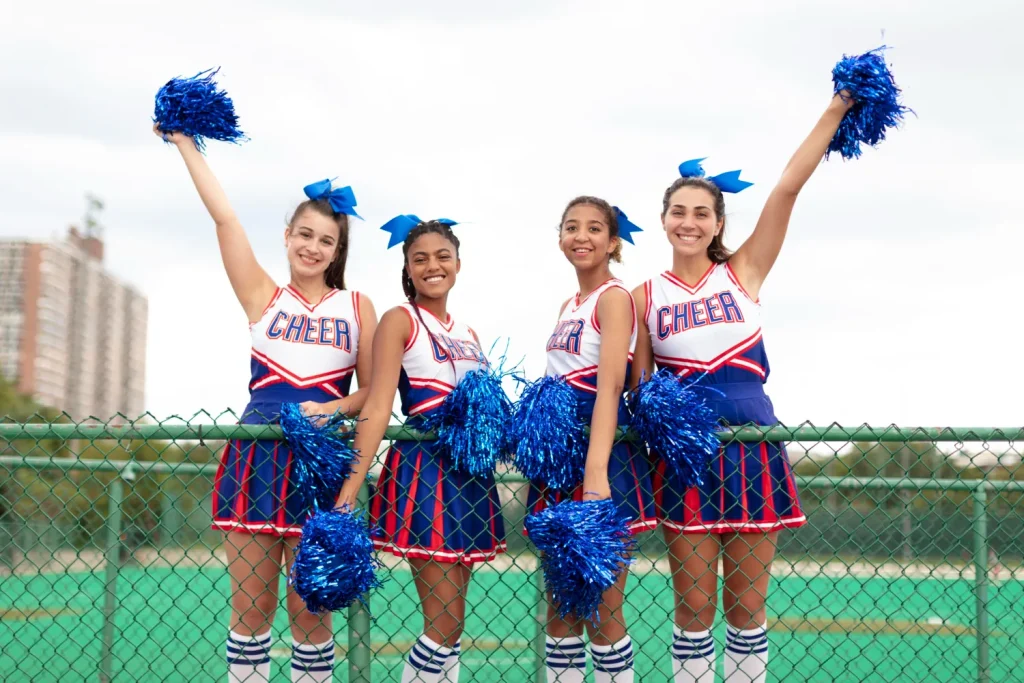
Many might not realize that cheerleading actually began as a male-dominated activity in the late 19th century, with men leading cheers at sports events. As we explore the evolution of this sport, we can’t help but question whether cheerleading still holds its feminine label or if it’s time to reassess our assumptions. With the rise of competitive cheerleading and increasing male involvement, programs like cheerleading for kids in Peoria IL showcase how the sport is evolving, blending tradition with modernity and challenging gender perceptions in athletics.
Key Takeaways
- Cheerleading historically has been associated with femininity, often seen as a sideline activity rather than a competitive sport.
- Gender stereotypes have limited perceptions of cheerleading, reinforcing its image as a feminine endeavor.
- Increasing male participation in cheerleading challenges traditional gender norms and promotes inclusivity within the sport.
- The physical demands and athleticism required in cheerleading are now being recognized, moving beyond its feminine associations.
- Legislative efforts and Title IX have aided in acknowledging cheerleading as a legitimate sport, promoting gender equality in athletics.
The Evolution of Cheerleading
Cheerleading has transformed significantly over the decades, evolving from simple sidelines support to a competitive sport in its own right. We’ve witnessed the incredible growth of cheerleading, especially among female athletes who’ve turned this activity into a showcase of skill, strength, and teamwork.
Gone are the days when cheerleaders merely cheered for their teams; now, competitive cheerleading has emerged as a dynamic sport that requires intense training and dedication.
Collegiate cheerleaders are often at the forefront of this evolution, participating in competitions that highlight their athletic prowess and creativity. The routines we see today blend dance, gymnastics, and stunts, showcasing the talent and versatility of these athletes.
It’s inspiring to see how the perception of cheerleading has shifted; what was once considered a secondary activity is now recognized for its rigorous demands and competitiveness.
As we reflect on this journey, we can appreciate how cheerleading has become a platform for female athletes to excel and gain recognition. By embracing the challenges and pushing boundaries, we’re not just cheering; we’re redefining what it means to be a cheerleader in the modern era.
Gender Roles in Sports
As we explore gender roles in sports, we can see how historical associations have shaped our perceptions of athleticism.
Traditionally, certain sports have been labeled as “feminine” or “masculine,” influencing participation and recognition.
However, as attitudes evolve, it’s crucial to rethink these outdated views and appreciate the diversity in all athletic pursuits.
Historical Gender Associations
Throughout history, the perception of gender roles in sports has shaped how we view activities like cheerleading. Traditionally, cheerleading has been associated with female participation, reinforcing historical gender associations that limit women’s roles in athletic programs. In the early 20th century, cheerleading emerged as a way for women to engage in school sports, but it often emphasized spirit and support rather than athleticism.
As we look back, we can see that cheerleading was often seen as a more acceptable outlet for women, aligning with societal expectations of femininity. This perception led to a lack of recognition for the physical demands of cheerleading. While other sports were labeled as more masculine, cheerleading was frequently dismissed as mere entertainment, despite the athletic skills required.
This historical context has lasting effects, influencing how we still perceive cheerleading today. Even as female participation in sports has grown, the lingering stereotypes connected to cheerleading can undermine its legitimacy as a sport.
Evolving Athletic Perceptions
In recent years, evolving athletic perceptions have begun to challenge the traditional gender roles associated with sports, including cheerleading. We’ve seen a shift in how society views cheerleaders, recognizing their athletic abilities and the physical demands of the sport. Cheerleading requires strength, agility, and coordination, often demanding rigorous training that rivals that of more traditionally recognized sports.
As we’ve delved into this topic, it’s become clear that injuries in girls participating in cheerleading are significant, underscoring the sport’s physical intensity. This reality helps to dismantle stereotypes that cheerleading is merely a feminine pastime. Instead, we’re starting to see cheerleaders as serious athletes who develop essential skills, including teamwork and leadership.
Furthermore, evolving athletic perceptions encourage us to view cheerleading through a broader lens. We can appreciate the competition, discipline, and dedication involved, which are hallmarks of any sport.
As we continue this conversation, we’re redefining what it means to be an athlete, irrespective of gender, and challenging outdated notions that limit participation in sports. By embracing these evolving views, we’re paving the way for future generations to enjoy and excel in cheerleading and beyond.
Cheerleading’s Masculine Origins
Cheerleading, often viewed today as a predominantly feminine activity, actually has its roots in a more masculine tradition. When we delve into cheerleading’s masculine origins, it’s fascinating to see how it began as a way to support football teams and rally school spirit. The first cheerleaders were primarily men, who led chants and cheers at varsity games.
Over time, the landscape changed, but those early days highlight a different narrative.
Consider these key points about cheerleading’s beginnings:
- Cheerleading started in the late 19th century with male college students.
- Early cheerleaders organized cheers for football teams, creating a sense of community.
- As cheerleading evolved, competition routines began to incorporate gymnastics and acrobatics.
- The rise of professional cheerleading in the 1970s further shifted the perception of the sport.
- Female participation surged, leading to the predominantly female teams we see today.
Understanding this history helps us appreciate the transition from those initial male cheerleaders to the diverse squads we’ve now.
Debunking Cheerleading Myths
As we explore the evolution of cheerleading, it’s important to address the myths that often cloud our understanding of the sport. One common misconception is that cheerleading is just a simple activity with little risk involved. In reality, female cheerleaders face significant challenges, including the risk of cheerleading injuries. Many people overlook the rigorous training and dedication required to perform dangerous stunts safely.
Another myth is that cheerleading competitions are merely about waving pom-poms and cheering. In fact, these events demand precision, athleticism, and teamwork, showcasing the skills of the athletes involved. With high-energy routines and intricate choreography, cheerleading competitions have evolved into serious showcases of talent and creativity.
We often hear that safety guidelines in cheerleading are lax, but that’s far from the truth. Organizations have established strict safety protocols to minimize risks during practices and competitions. These guidelines cover everything from proper spotting techniques to the correct execution of stunts, ensuring that cheerleaders can perform at their best while prioritizing their safety.
Physical Demands of Cheerleading
While many may see cheerleading as a lighthearted activity, the physical demands placed on cheerleaders are anything but trivial. We push our bodies to the limit, engaging in rigorous routines that require strength, flexibility, and endurance. The execution of jumps and difficult stunts demands not just athleticism but also intense focus and teamwork.
Consider some key aspects of the physical demands of cheerleading:
- Strength training: We build core strength for stability during stunts.
- Endurance conditioning: Cheerleaders need stamina to perform routines that can last several minutes.
- Aerobatic gymnastics: Many routines include flips and complex movements that require extensive practice.
- Risk management: We learn to execute risky stunts safely, minimizing injury through proper technique.
- Flexibility training: Being flexible helps us achieve higher jumps and better form in stunts.
These elements combined illustrate that cheerleading is a rigorous sport requiring significant physical commitment. As we navigate these demanding aspects, we not only showcase our athletic skills but also embrace the challenges that come with being cheerleaders.
The Impact of Title IX
As we explore the impact of Title IX, we can’t overlook its role in promoting gender equality in sports, including cheerleading.
This legislation has paved the way for more opportunities for female athletes, challenging traditional perceptions of femininity in sports.
Together, let’s examine how Title IX has shaped the landscape of cheerleading and contributed to the ongoing fight for equality.
Title IX Overview
Title IX represents a monumental shift in the landscape of American sports, advocating for gender equality and expanding opportunities for female athletes. This legislation has significantly impacted the status of cheerleading, allowing it to be recognized more formally as a competitive sport rather than merely a sideline activity.
We see this change as vital for school female athletes, providing them with greater access to cheer programs that promote skill development and competition.
Here are some key points about the impact of Title IX:
- Increased funding for female sports programs, including cheerleading.
- Greater visibility and recognition of cheerleading as a sport.
- Opportunities for female athletes to compete at higher levels.
- Support from organizations like the National Coalition for Women and Girls in Sports.
- Enhanced recruitment and scholarship opportunities for female athletes.
Understanding Title IX helps us appreciate how far we’ve come in promoting equality in sports.
While cheerleading may still face challenges, the foundation laid by this legislation fosters a more inclusive environment, encouraging young women to pursue their passions and excel in athletics.
Together, we can continue advocating for the rights and opportunities of all female athletes.
Gender Equality Progress
The momentum generated by Title IX has spurred significant progress in gender equality within sports, particularly for cheerleading.
We’ve witnessed a remarkable transformation, as cheerleading teams have become more recognized and supported at various levels of competition. This legislation has opened doors for countless school athletes, allowing them to participate in a sport that was once relegated to the sidelines.
By promoting gender equality progress, Title IX has encouraged many cheerleading organizations to elevate their standards and provide better training and resources for female athletes.
This shift hasn’t only empowered cheerleaders but has also led to greater visibility and respect for cheerleading as a legitimate sport within collegiate sports.
As we reflect on these changes, it’s clear that Title IX has significantly impacted the landscape of cheerleading.
More young women now have the opportunity to showcase their athleticism and dedication, breaking down stereotypes associated with the sport.
Together, we can celebrate these advancements and continue advocating for equal opportunities for all athletes, ensuring that every cheerleader feels valued and recognized for their hard work and commitment.
Male Participation in Cheerleading
Historically, cheerleading has been viewed primarily as a female-dominated activity, but male participation has steadily increased over the years.
We’ve seen more guys joining cheerleading teams, contributing their strength and skills in ways that enhance the sport. This rise in male cheerleaders isn’t just about numbers; it’s about breaking down stereotypes and redefining what cheerleading means to us all.
Here are some reasons why we believe male participation in cheerleading is vital:
- Strength and Stunt Performance: Males often bring physical strength that can elevate stunt performances.
- Team Diversity: A mixed-gender environment fosters collaboration and inclusivity.
- Skill Development: Male cheerleaders can help improve the overall skill level during cheerleading practice.
- Leadership Opportunities: Guys can take on leadership roles, inspiring younger cheerleaders.
- Injury Awareness: Increased male participation can highlight the importance of awareness around cheerleading-related injuries.
As we embrace this shift, we can appreciate the contributions of college cheerleaders and recognize that cheerleading is evolving.
Together, let’s celebrate this growth and the diverse talents each member brings to the mat.
Cheerleading as a Competitive Sport
Cheerleading has transformed into a highly competitive sport that demands dedication, skill, and teamwork. We see cheerleading teams training rigorously, honing their routines to perfection in pursuit of excellence. At the college level, the intensity ramps up as athletes compete not just for trophies but for the chance to showcase their talents at national championships.
The commitment required is immense, often leading to long hours of practice and a structured approach to training. It’s vital for us to prioritize injury prevention, as the physical demands of stunts, tumbling, and choreography can take a toll on our bodies. Coaches implement safety measures and proper techniques to ensure that we can perform at our best while minimizing risks.
Moreover, the competitive spirit we cultivate fosters a sense of camaraderie among teammates. We push each other to excel, supporting one another through challenges and celebrating victories together.
In this high-stakes environment, cheerleading evolves beyond traditional perceptions, proving that it’s not just about sideline performances but about athleticism, strategy, and determination. As we strive for success, we redefine what it means to be a cheerleader in today’s competitive landscape.
Cultural Perceptions of Cheerleading
When we think about cheerleading, it’s hard to ignore the historical gender associations that have shaped its image.
Traditionally, cheerleading has been viewed as a feminine activity, often linked to support roles rather than athleticism.
Let’s explore how these cultural perceptions have evolved and what they mean for the sport today.
Historical Gender Associations
Often viewed through a gendered lens, cheerleading has long been associated with femininity in American culture. This perception dates back to the early 20th century when cheerleading emerged as a predominantly male activity but soon transitioned into a female-dominated domain.
As we explore the historical gender associations connected to cheerleading, we can see how societal norms shaped this evolution.
Consider these key aspects:
- The school spirit aspect often emphasizes support for male sports teams.
- Cheerleading became a staple in community colleges, reinforcing its feminine image.
- The portrayal of cheerleaders in media often leans towards stereotypical femininity.
- Historical participation rates skew heavily towards females, creating a gender divide.
- The aesthetics of cheerleading uniforms have traditionally catered to feminine ideals.
These elements combine to create a cultural perception that cheerleading is inherently feminine.
While it’s essential to recognize this history, we must also acknowledge the growing inclusivity within the sport. As cheerleading evolves, we see a shift towards breaking down these historical gender associations, allowing for a broader understanding of what cheerleading can represent today.
Redefining Feminine Sports Today
Redefining feminine sports today involves challenging traditional perceptions and embracing a broader spectrum of athleticism. We see cheerleading teams as vital players in this transformation, showcasing their skills and strength, while also boosting school spirit.
These athletes don’t just perform routines; they engage in rigorous training, demonstrating that cheerleading is as much a sport as any other.
Moreover, cheerleading’s involvement in community events highlights its role beyond the sidelines. These teams often support local charities and participate in various outreach programs, reflecting a commitment to making a positive impact.
As we look at professional cheerleading and college programs, it becomes clear that these athletes face intense competition and must maintain peak physical condition, further solidifying their status as serious competitors.
Frequently Asked Questions
How Do Cheerleading Uniforms Impact Perceptions of Femininity?
We believe cheerleading uniforms play a significant role in shaping perceptions of femininity. Their design often emphasizes traditional feminine traits, influencing how both participants and spectators view strength, grace, and athleticism within the sport.
Are There Male Cheerleaders at Professional Sports Events?
Yes, there are male cheerleaders at professional sports events. We see them showcasing incredible athleticism and teamwork, breaking stereotypes and proving that cheerleading isn’t just for women. It’s a sport for everyone who loves it.
What Role Do Social Media Influencers Play in Cheerleading?
We’ve all noticed how cheerleading’s evolved with social media influencers. They showcase routines, inspire creativity, and connect communities. With every post, they amplify cheerleading’s visibility, making it more dynamic and accessible for everyone involved.
How Do Cheerleading Competitions Differ From Traditional Sports Competitions?
Cheerleading competitions focus on teamwork, choreography, and performance, emphasizing creativity over just physical prowess. We showcase our skills through routines and stunts, often judged on entertainment value, unlike traditional sports that prioritize scoring points.
What Are the Most Popular Cheerleading Styles Worldwide?
We’ve seen various cheerleading styles worldwide, like traditional cheer, competitive cheer, and stunt cheer. Each brings unique elements and energy, showcasing athleticism and creativity that captivates audiences and fosters a strong sense of community among teams.
Final Thoughts
As we navigate the evolution of cheerleading, we see it challenge outdated gender norms, much like how the introduction of skateboards transformed street culture. Cheerleading isn’t just a feminine sport; it’s a dynamic discipline that thrives on skill, strength, and teamwork—qualities that anyone, regardless of gender, can embody. By embracing inclusivity, we’re not only redefining what it means to cheer but also celebrating the athletic spirit that unites us all in this vibrant community.
For more insight into the financial aspects of cheerleading, read our previous article: Is Cheer the Most Expensive Sport?. Up next, dive into the safety aspects and find out Is Cheerleading a High Risk Sport? to understand the physical demands and precautions involved.

![UFC fighter [Allan Nascimento] in fighting gear.](https://b2881679.assetcdn.net/2.0/2881679/wp-content/uploads/2026/08/journalist2F0749cf22-eda0-48b3-b1fc-d986d47ff93f2Fthumbnail-768x432.jpeg?lossy=1&strip=1&webp=1)