 By Bt Stew
 So, you want to really get good at your sport, right? It’s not just about hitting the gym or practicing drills until you’re exhausted. There’s a whole mental side to Athletic Development that most people totally miss. We’re talking about training your brain to perform just as well as your body, especially when the pressure is on. This guide is all about figuring out how to build that mental toughness and focus, so you can stop just playing and start truly performing at your best. Let’s get your Athletic Development dialed in.
Key Takeaways
- Understanding the basics of Athletic Development means looking at how your mind impacts your physical game, and what mental blocks might be holding you back.
- You need a solid toolkit for Athletic Development, including routines before, during, and after training to keep your mind sharp.
- Competition day is where it all counts; having strategies to stay focused and process what happened is key for Athletic Development.
- Advanced techniques like finding that ‘flow state’ and managing pressure are next-level moves for serious Athletic Development.
- Long-term Athletic Development is about making sure your mental training sticks, using recovery smarts and balancing everything out.
Understanding Athletic Development Fundamentals
Alright, let’s get down to the nitty-gritty of what makes an athlete tick, beyond just the muscles and sweat. We’re talking about the stuff that happens between your ears, the mental side of things. It’s not just about being strong or fast; it’s about being smart, focused, and resilient. Think of it as the operating system for your physical hardware.
The Science Behind Performance Mindfulness
So, what’s this ‘mindfulness’ thing all about in sports? Basically, it’s about paying attention to what’s happening right now, without getting all caught up in judging it. For athletes, this means being super aware of your body, your thoughts, and your surroundings during training and competition. Studies show that when athletes practice mindfulness, they tend to stay calmer under pressure and can focus better. It’s like giving your brain a tune-up so it runs smoother when the heat is on. This isn’t some woo-woo concept; there’s real science backing it up, showing it can help with things like reaction time and decision-making.
Common Mental Barriers in Sports
We all face mental hurdles, right? In sports, these can really mess with performance. You might have the fear of messing up, which can make you play it safe instead of going for it. Or maybe it’s that nagging voice telling you you’re not good enough, even when you’ve trained hard. Sometimes, it’s just getting distracted by the crowd, a bad call, or what your opponent is doing. These mental blocks can stop you dead in your tracks, no matter how physically ready you are. It’s pretty common, actually. A lot of athletes know mental tricks, but not everyone actually uses them when it counts.
Foundation Mindfulness Exercises for Athletes
Getting started with mindfulness doesn’t require a guru or a silent retreat. You can build these skills right into your routine. Here are a few simple things to try:
- Body Scan: While sitting or lying down, just bring your attention to different parts of your body, noticing any sensations – warmth, coolness, tension, or relaxation. Don’t try to change anything, just notice.
- Mindful Breathing: Focus on the feeling of your breath going in and out. When your mind wanders (and it will!), gently bring your attention back to your breath. This is great for calming down before a big event or after a tough workout.
- Awareness of Movement: As you do your warm-ups or even just walk around, pay attention to how your body feels. Notice the rhythm of your steps, the swing of your arms, the stretch in your muscles. It’s about being present in every action.
The goal here isn’t to empty your mind, but to become more aware of what’s going on inside it and around you. This awareness is the first step to controlling your reactions and making better choices when it matters most. It’s about building a stronger connection between your mind and body, so they work together like a well-oiled machine.
Building Your Athletic Development Toolkit

Alright, so you’ve got the basics down, and now it’s time to really start building out your mental game. Think of this as putting together your personal toolbox for success. It’s not just about showing up; it’s about showing up ready. This section is all about those practical, everyday things you can do to make your mind as strong as your body.
Pre-Training Mindfulness Routines
Getting your head in the game before you even start sweating is a game-changer. A good pre-training routine helps you shake off distractions and zero in on what you’re about to do. It’s like prepping your equipment, but for your brain.
- Start with your breath: Just a few minutes of focused breathing can calm your nervous system. Try to match your inhales and exhales to a steady rhythm.
- Quick body scan: Mentally check in with your body. Notice any tension or stiffness without trying to change it. Just observe.
- Set a clear intention: What do you want to focus on during this session? Maybe it’s a specific skill, effort level, or just staying present.
A short, consistent routine before training can make a huge difference in how focused and effective you are. It primes your mind for the work ahead.
During-Practice Awareness Drills
This is where you practice staying present while you’re in the thick of it. It’s easy to get lost in your head or zone out, but these drills help you keep your attention where it needs to be.
- Sensory check-ins: Throughout your practice, take brief moments to notice what you’re seeing, hearing, and feeling. What does the ball sound like? How does the ground feel under your feet?
- Focus on form: Really tune into the mechanics of each movement. Are you executing it correctly? What does it feel like in your muscles?
- Mindful transitions: Pay attention to the moments between drills or exercises. How do you shift your focus from one task to the next?
Post-Workout Reflection Techniques
Don’t just finish your workout and call it a day. Taking a few minutes to reflect afterward is super important for learning and growth. It helps you figure out what went well and what could be better next time.
- Journaling: Jot down a few notes about your session. How did you feel physically and mentally? What were the highlights?
- Identify learnings: What did you discover about your performance today? Were there any ‘aha!’ moments?
- Plan for next time: Based on your reflection, what’s one thing you want to focus on or adjust for your next training session?
| Aspect | Notes |
|---|---|
| Physical State | Energy levels, soreness, fatigue |
| Mental State | Focus, motivation, frustration, calm |
| Key Takeaways | What worked, what didn’t, new insights |
| Next Session Goal | Specific focus or adjustment to make |
Mastering Competition Day Performance
Alright, so you’ve put in the work, you’re physically prepped, but how do you actually show up and perform when it counts? Competition day is where all that training meets the real deal, and your mental game needs to be just as sharp as your physical skills. It’s easy to get caught up in the hype, the nerves, or even just lose focus mid-event. This is where your mindful preparation really pays off.
Competition-Day Mindfulness Strategies
Think of your competition day routine as a mental warm-up. Just like you wouldn’t skip your physical stretches, don’t skip your mental ones. A solid pre-game mental prep can make a huge difference. Studies show athletes who use mental techniques before competing are way more likely to feel confident about them.
Here’s a rough idea of how you might structure your mental prep leading up to the big event:
- 2 Hours Before: Start with a "psychological sigh" technique. It’s basically a deep exhale that helps release tension. Just breathe in through your nose, and then let it all out through your mouth, like you’re sighing away any worries.
- 1 Hour Before: Time for some visualization. Close your eyes and picture yourself performing perfectly, hitting those key moments, and achieving your goals. Really try to feel it.
- 30 Minutes Before: Get present. Focus on what’s happening right now. Notice your surroundings, your body, your breath. This helps ground you.
- 15 Minutes Before: A quick check-in. How are you feeling? What’s your intention for this competition? Just a brief moment to connect with yourself.
Remember, having a routine is one thing, but actually doing it consistently is what builds the habit and makes it effective. Don’t just think about it; make it happen.
In-Game Focus Maintenance
Okay, the whistle blows, the game starts, and things get intense. Staying focused when everything is happening around you is tough. Distractions pop up, mistakes happen, and your mind can wander. Mindfulness helps you handle that pressure better.
Try these tricks to keep your head in the game:
- The Three R’s: When you notice your mind drifting, use this: Recognize the distraction (e.g., a bad call, a missed shot). Regroup your thoughts – take a quick breath. Refocus your attention back to the task at hand.
- Performance Cues: Have a word or phrase that brings you back to the present moment. Maybe it’s "next play," "stay here," or just the sound of your own breathing.
- Breath Control: Use those little breaks – timeouts, between points, during a lull – to take a few deep, controlled breaths. It’s a quick reset button.
- Emotional Balance: Try to observe your emotions without getting swept away by them. If you’re frustrated, just notice it, acknowledge it, and then let it go to focus on what you need to do next.
Post-Competition Processing
The competition is over. Win or lose, what you do after is super important for getting better next time. Just shaking it off and moving on isn’t always the best approach. A structured way to process the event helps you learn and grow.
Think about breaking it down like this:
- Immediate Debrief (Hot Debrief): Right after, maybe with your coach or teammates, talk about the immediate feelings and key moments. Keep it brief and focused on the raw experience.
- Initial Emotional Processing (Time Zero): Give yourself some space to just feel whatever you’re feeling – excitement, disappointment, relief. Don’t judge it, just let it be.
- Deeper Emotional Processing: Later, when you’re calmer, reflect more deeply on the emotions that came up. Why did you feel that way? What triggered it?
- Performance Analysis: Now, look at what actually happened. What went well? What could have been better? Be honest but fair with yourself. What specific actions led to certain outcomes?
Athletes often say that going through this kind of process helps them sort things out and move forward in a healthier way. It’s not just about winning or losing; it’s about learning from the experience.
Advanced Techniques for Peak Athletic Development
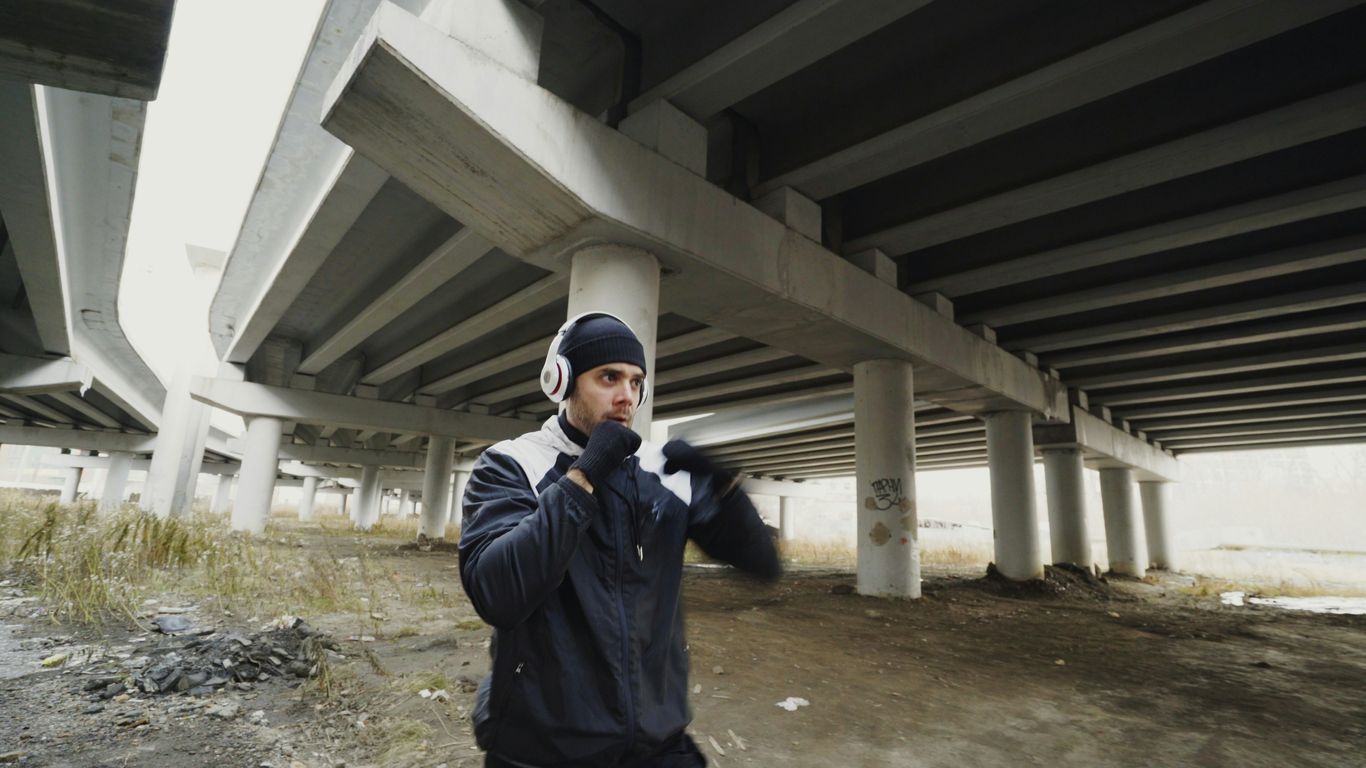
Advanced Performance Enhancement Techniques
Alright, so you’ve got the basics down, and you’re looking to really push the envelope. This is where we get into the nitty-gritty of taking your game from good to absolutely stellar. It’s not just about putting in the hours anymore; it’s about training smarter and getting your head in the game in ways you might not have thought of.
The real difference-maker at the highest levels is often what’s going on between your ears. Think about it – physically, many athletes are incredibly capable. But who wins? Usually, it’s the one who can handle the pressure, stay focused, and perform when it counts the most. That’s where these advanced techniques come in.
Flow State Activation Methods
Ever had one of those games where everything just clicked? You felt like you were moving in slow motion, anticipating every play, and everything you did just worked. That’s the flow state, often called being ‘in the zone.’ It’s not magic; it’s something you can learn to access more often.
- Clear Goals: Know exactly what you’re trying to achieve in any given moment, whether it’s a specific drill or a play.
- Immediate Feedback: You need to know right away if you’re on the right track. This could be the ball going in the hoop, a successful tackle, or even just the feeling of your body moving correctly.
- Balance of Challenge and Skill: The task needs to be tough enough to keep you engaged but not so hard that you get frustrated. It’s that sweet spot where you’re stretched but not overwhelmed.
To get there, try focusing on the process, not just the outcome. Pay attention to the sensations in your body, the rhythm of your breathing, and the immediate environment. When you’re fully absorbed in the ‘now,’ flow tends to show up.
Getting into flow isn’t about forcing it. It’s more about creating the right conditions and letting it happen. Think of it like setting up a perfect stage for a performance – you can’t guarantee the show, but you can make sure everything is ready for it.
Pressure Management Exercises
Competition day can be a beast. The crowd, the stakes, the expectations – it all adds up. Learning to manage that pressure is key to performing your best when it matters most.
Here are a few ways to practice handling the heat:
- Simulated Pressure Drills: During practice, create scenarios that mimic game-day pressure. Have teammates or coaches add noise, time limits, or consequences for mistakes.
- Mindful Breathing Under Duress: Practice deep, controlled breathing not just when you’re calm, but also when you’re feeling stressed or fatigued during training.
- Positive Self-Talk Reframing: Instead of letting negative thoughts spiral, consciously reframe them. If you think ‘I can’t do this,’ change it to ‘I’ve trained for this, and I’ll give it my best shot.’
| Technique | Description | When to Use |
|---|---|---|
| Psychological Sigh | Inhale deeply, hold briefly, then exhale with a sigh to release tension. | Before high-stakes moments |
| Visualization | Mentally rehearse successful performance, focusing on sensory details. | Pre-competition, during breaks |
| Focus Cues | Short, simple words or phrases to bring your attention back to the present. | During competition, when distracted |
Sustaining Athletic Development Long-Term
Alright, so you’ve been putting in the work, building up your skills and your mental game. That’s awesome! But here’s the thing: athletic development isn’t a sprint, it’s a marathon. You gotta figure out how to keep this going without burning out. It’s all about making this stuff a regular part of your life, not just something you do when you feel like it.
Recovery Mindfulness Practices
Think about recovery not just as resting your muscles, but as giving your mind a break too. When you’re done with a tough session, instead of just zoning out or stressing about the next one, try some chill mindfulness. This could be as simple as a few minutes of deep breathing, focusing on how your body feels as it calms down. Or maybe a short body scan meditation to really tune into what your body needs. Paying attention to your recovery mindfully can actually speed things up and make you feel more ready for your next challenge. It’s like giving your whole system a reset button.
Creating a Sustainable Practice Schedule
This is where the rubber meets the road. You can’t just wing it and expect to keep improving forever. You need a plan, but not one that’s so rigid it breaks you. The key is consistency over intensity. Even short, regular sessions are way better than one long, infrequent one. Here’s a rough idea of how you might structure it:
- Guided Meditation: Aim for twice a week, maybe 30 minutes each time. This is for deeper dives into mental training.
- Daily Practice: Little and often is the name of the game here. Try for 15-30 minutes most days. This could be quick breathing exercises or mindful moments.
- Group Sessions (Optional): If you have a team or training group, a weekly 45-minute session can be super motivating and add a different dynamic.
Remember, even five minutes a day can make a difference. It’s about building a habit that sticks.
The goal here isn’t to add another chore to your day. It’s about weaving these practices into your routine so they feel natural and supportive. Think of it as self-care that directly impacts your performance.
Combining Physical and Mental Training
This is where the magic really happens. You can’t just train your body and expect your mind to keep up, or vice versa. They work together. When you sync up your mental training with your physical workouts, you see bigger gains. For example, doing some mental exercises right after a tough physical session can help your brain process the effort and improve your decision-making later on. It’s about making sure both parts of you are getting stronger, side-by-side. This integrated approach helps with endurance, coordination, and how well you handle pressure situations.
Measuring Progress in Athletic Development
So, you’ve been putting in the work with mindfulness, right? Awesome! But how do you actually know if it’s making a difference? It’s not like you can see your focus getting stronger or your stress levels dropping on a stopwatch. That’s where figuring out how to measure your progress comes in. It’s about looking beyond just the scoreboard and seeing how your mental game is evolving.
Measuring Mental Performance Progress
Tracking your mental game can feel a bit abstract, but it’s totally doable. Think of it like keeping a training log for your mind. You want to see how your focus, your ability to stay calm under pressure, and your overall mental toughness are improving. It’s not just about feeling better; it’s about seeing tangible shifts in how you perform.
Here are a few ways to keep tabs on your mental gains:
- Journaling: After training sessions or competitions, jot down how you felt. Were you easily distracted? Did you handle mistakes well? What was your confidence level like?
- Self-Rating Scales: Create simple scales (like 1-5) for things like focus, calmness, and confidence before and after specific activities. See if your average scores go up over time.
- Coach Feedback: Chat with your coach about your mental approach. They might notice changes in your demeanor, decision-making, or how you react to challenges that you might miss yourself.
- Performance Metrics: Sometimes, mental improvements show up in physical stats. Are your reaction times getting quicker? Are you making fewer unforced errors? These can be indirect indicators of better mental performance.
It’s easy to get caught up in the day-to-day grind and forget to check in with yourself. Taking a moment to reflect on your mental state, just like you would your physical recovery, is super important for long-term growth. Don’t skip this part!
Tracking Key Performance Indicators
When we talk about Key Performance Indicators (KPIs) for athletic development, we usually think about the physical stuff – speed, strength, endurance. But for mental training, the KPIs are a bit different. They’re about the quality of your mental state and how it affects your physical output. For example, you might track:
| KPI Category | Specific Indicator | How to Track |
|---|---|---|
| Focus & Attention | Distraction Frequency | Log instances of losing focus during practice |
| Task Focus Duration | Time spent fully engaged on a specific drill | |
| Emotional Control | Frustration Level | Self-rate intensity of frustration (1-5) |
| Reaction to Errors | Note how quickly you reset after a mistake | |
| Confidence | Self-Belief Score | Rate confidence before key moments (1-5) |
| Decision-Making Speed | Time taken for critical in-game decisions | |
| Resilience | Bounce-back after Setback | How long it takes to regain composure after a loss |
Looking at these numbers over weeks and months can really show you where you’re making strides and where you might need to adjust your approach. It turns the abstract idea of ‘getting mentally tougher’ into something you can actually see and work with.
Adapting Training Based on Feedback
Okay, so you’ve been tracking things, and you’re seeing some patterns. Maybe your focus is great during practice but falls apart in games. Or perhaps you’re handling pressure better, but your recovery mindset needs work. This is where the real magic happens – using that feedback to tweak your training. It’s not about sticking rigidly to a plan; it’s about being smart and responsive.
- Identify Weak Spots: If your journaling shows you get easily flustered by crowd noise, maybe you need more practice with simulated crowd sounds or specific breathing techniques for those moments.
- Amplify Strengths: If you notice you’re really good at staying calm after a mistake, figure out what you’re doing in those moments and try to replicate it more often.
- Adjust Intensity/Frequency: If you’re feeling burnt out from too much mental training, scale it back. If you’re not seeing changes, maybe you need to increase the duration or frequency of your mindfulness exercises.
- Seek New Tools: If a particular technique isn’t working, don’t be afraid to try something else. There are tons of mindfulness exercises out there, and what works for one athlete might not work for another.
This whole process of measuring and adapting is what keeps your athletic development moving forward. It’s a continuous loop: train, measure, learn, adjust, and train again. It’s how you go from just practicing to truly mastering your athletic potential.
Tracking how athletes improve is super important. It helps us see if they’re getting stronger, faster, and better overall. We can use different tests and observations to see their progress. Want to learn more about how we help athletes reach their goals? Visit our website today!
Wrapping It Up
So, we’ve gone over a lot of stuff about getting athletes ready to perform their best. It’s not just about hitting the gym hard or running until you can’t anymore. You’ve got to think about how your body recovers, what you’re eating, and honestly, what’s going on in your head. It’s a whole package deal. Remember, progress isn’t always a straight line; there will be ups and downs. The key is to keep showing up, learning from every session, and making smart choices day in and day out. Stick with it, and you’ll be well on your way to hitting those performance goals.
Frequently Asked Questions
What exactly is athletic development?
Think of athletic development as getting your body and mind ready to be awesome at sports. It’s not just about lifting weights or running fast; it’s also about learning how to stay focused, handle pressure, and bounce back when things get tough. It’s like building a super athlete from the inside out!
Why is mindfulness important for athletes?
Mindfulness is like a superpower for your brain! It helps you stay in the moment, so you’re not worrying about past mistakes or future outcomes. For athletes, this means better focus during games, quicker reactions, and less stress. It’s like having a mental coach helping you stay calm and sharp.
How can I start using mindfulness in my training?
It’s easier than you think! You can start with simple things like taking a few deep breaths before practice, really paying attention to how your body feels during exercises, or thinking about what went well after you finish. Even a few minutes each day can make a big difference.
What’s the ‘flow state’ everyone talks about?
The flow state is when you’re totally in the zone – everything feels effortless, you’re completely focused, and you’re performing at your very best. It’s like time slows down, and you just know what to do. Mindfulness can help you get into this awesome state more often.
How do I know if my mental training is actually working?
You can track your progress in a few ways. Notice if you’re getting distracted less, if you’re handling mistakes better, or if you feel more confident before competitions. You can also talk to your coach about how you’re feeling mentally and see if they’ve noticed changes too.
Is it really worth spending time on mental stuff instead of just physical training?
Absolutely! Many top athletes say their mental game is just as important, if not more important, than their physical skills. When your mind is strong, your body can perform at its highest level. It’s like having both a powerful engine and a skilled driver – you need both to win!


![[Dexter Jackson] on stage, bodybuilding physique, confident pose.](https://b2881679.assetcdn.net/2.0/2881679/wp-content/uploads/2026/09/journalist2Fa5899a9e-621c-4394-a601-8d575808094d2Fthumbnail-768x432.jpeg?lossy=1&strip=1&webp=1)