 By Bt Stew
What Is the Healthiest Swim Stroke?
When it comes to determining the healthiest swim stroke, various factors come into play. Different strokes offer unique benefits that cater to specific fitness goals and physical conditions. Whether you are aiming for a full-body workout, calorie burning, or joint-friendly movements, each stroke has its advantages. So, how do you decide which swim stroke is truly the healthiest for you? Stay tuned to discover the key insights about swimming as cardio in Peoria IL that will help you make an informed choice for your swimming routine.
Key Takeaways
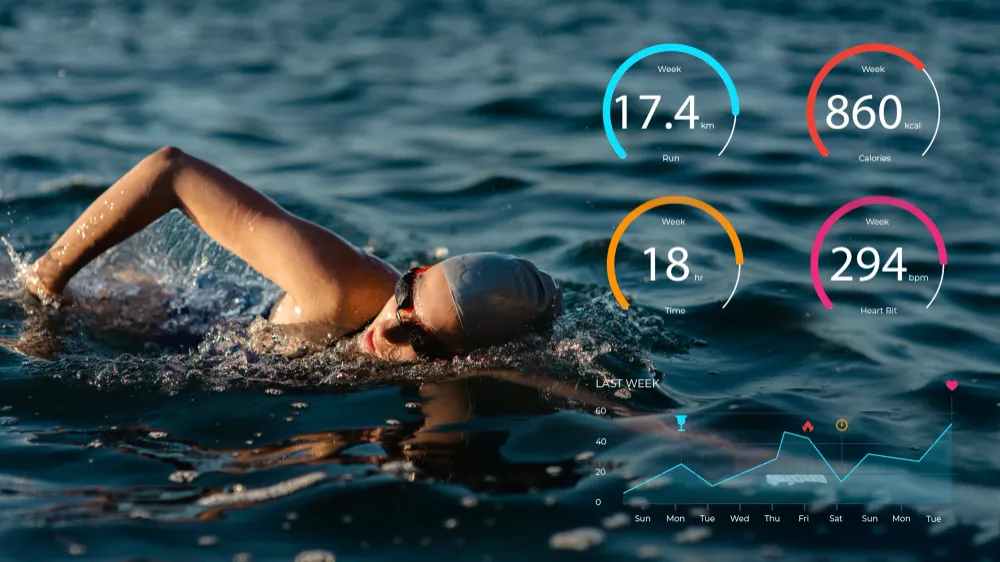
- Freestyle (Front Crawl) is the healthiest swim stroke for its full-body workout and high calorie burn.
- Butterfly Stroke offers intense upper body conditioning and calorie expenditure.
- Backstroke strengthens posterior muscles with moderate calorie burn.
- Breaststroke engages core muscles effectively with low impact on joints.
- Individual Medley combines various strokes for comprehensive muscle engagement.
Benefits of Butterfly Stroke
When considering the healthiest swim stroke, the Butterfly Stroke stands out for its unique benefits. This stroke not only provides a challenging workout but also offers a range of advantages for your overall health and fitness.
One of the key benefits of the Butterfly Stroke is its ability to enhance your upper body strength. As you move your arms in a circular motion while kicking your legs simultaneously, the muscles in your arms, shoulders, chest, and back are engaged, leading to significant improvements in strength.
Moreover, the Butterfly Stroke is excellent for full-body conditioning. By involving multiple muscle groups in your arms, legs, and core, this stroke provides a comprehensive workout that can help you tone and strengthen your entire body.
Additionally, swimming the Butterfly Stroke requires a coordinated breathing technique that can improve your lung capacity and overall respiratory function.
While the Butterfly Stroke offers numerous benefits, it’s essential to maintain proper form to prevent injuries and maximize its effectiveness. Common form mistakes include lifting your head too high out of the water, which can cause strain on your neck and shoulders.
Focus on keeping your body position horizontal, and practice breathing rhythmically to ensure a smooth and efficient stroke. By mastering the Butterfly Stroke with correct form, you can reap its full range of benefits and improve your swimming skills overall.
Top Strokes for Muscle Groups
Optimally, certain swim strokes target specific muscle groups more effectively than others. When choosing a swim stroke to focus on particular muscle groups, consider the following:
- Butterfly Stroke: The butterfly stroke is excellent for building upper body strength as it heavily engages the chest, shoulders, and arms.
It’s particularly effective for toning the muscles in the anterior part of your body.
- Backstroke: Engaging in backstroke helps strengthen the posterior muscles including the upper back, lower back, and hamstrings.
It’s a great way to balance out the muscle groups worked during freestyle or butterfly.
- Breaststroke: Breaststroke is known for working the core muscles effectively.
This stroke engages the abdominal muscles, hip flexors, and inner thighs, making it a great choice for full-body conditioning.
Ideal Stroke for Overall Workout
For an overall workout that targets multiple muscle groups simultaneously, the freestyle stroke stands out as the ideal choice. When you engage in freestyle, also known as the front crawl, you’re incorporating movements that work your arms, shoulders, core, and legs.
This comprehensive workout helps in toning and strengthening various muscle groups, making it an excellent option for those seeking a full-body exercise routine.
While butterfly and breaststroke are effective in their own right, freestyle provides a balance of cardiovascular benefits and muscle engagement that’s hard to beat. The continuous flutter kicking and alternating arm strokes in freestyle help in building endurance, increasing heart rate, and burning calories effectively.
Choosing freestyle as your go-to swimming stroke for an overall workout can also aid in weight loss goals. The combination of cardio workout and muscle toning makes it a great option for those looking to shed extra pounds while improving their overall fitness levels.
Calorie Burning Swim Strokes
Looking to maximize your calorie burn during your swim sessions? When it comes to burning calories in the pool, not all swim strokes are created equal. Here are some tips to help you choose the most effective swim strokes for weight loss:
- Freestyle: Freestyle is often considered the best swimming stroke for weight loss as it engages multiple muscle groups simultaneously, leading to a high calorie burn rate. It’s an excellent choice for those looking to burn calories efficiently.
- Butterfly: Despite being one of the more challenging strokes, butterfly can also be a great option for burning calories. The vigorous movement involved in butterfly stroke can help increase your heart rate and calorie expenditure.
- Backstroke: Backstroke is another effective swim stroke for optimal calorie burn. It engages the back, shoulders, and arms, providing a full-body workout that can contribute to weight management goals.
Hardest Workout Swim Stroke
Considered by many swimmers as the most physically demanding stroke, the butterfly is renowned for its challenging nature and intense workout benefits. The butterfly stroke requires a significant amount of upper body strength and coordination, making it a tough stroke to master.
When performing the butterfly, you engage multiple muscle groups in your arms, chest, shoulders, and core, providing you with an overall workout that’s unmatched by other strokes. Swimming the butterfly at a high speed can be particularly strenuous, requiring both power and endurance.
The rapid and synchronized movement of both arms in a circular motion, combined with the undulating body movement, demands a high level of fitness and muscular strength. This stroke pushes your cardiovascular system to its limits, enhancing your lung capacity and overall stamina.
While the butterfly stroke offers a challenging workout, it’s important to be mindful of common form mistakes that can lead to inefficiency and potential injuries. Maintaining a proper body position, timing your kicks and arm movements correctly, and focusing on a fluid motion are essential for mastering the butterfly stroke.
Incorporating the butterfly into your swimming routine can help you improve your swimming speed, strengthen your muscles, and enhance your overall fitness level. If you’re up for the challenge, adding the butterfly to your repertoire can take your swimming workout to the next level.
Beginner’s Guide to Strokes
If you’re new to swimming and looking to get started, understanding the basics of each stroke is essential. Here’s a beginner’s guide to the different swimming strokes that will help you dive into the world of swimming with confidence:
- Freestyle: Known for its simplicity, freestyle is the fastest stroke and a great choice for beginners looking to build endurance and speed in the water.
- Breaststroke: Considered the best stroke for beginners, breaststroke is excellent for those starting as it allows for easy breathing and good visibility while swimming.
- Backstroke: The backstroke is a great stroke for those who are uncomfortable with their face in the water, providing a chance to enjoy the benefits of swimming while staying on their back.
Understanding these four different swimming strokes you should know will give you a solid foundation to start your swimming journey.
Each stroke has its pros and cons, and as you progress, you’ll discover which works best for you in terms of speed, endurance, and overall enjoyment.
Whether you’re looking for the best stroke for survival, a workout, long distances, or speed, experimenting with these strokes will help you find your perfect match.
Pros and Cons of Popular Strokes
The pros and cons of popular swim strokes vary depending on your goals and preferences. Each stroke offers unique benefits and drawbacks in terms of calorie burn, muscle groups targeted, and overall effectiveness.
Freestyle, also known as front crawl, is a popular stroke for weight loss due to its high calorie burn. It mainly works the muscles in your arms, shoulders, and back. However, some swimmers find it challenging to maintain proper breathing technique, which can lead to fatigue.
Backstroke is great for working the muscles in your back, shoulders, and arms. It’s a good option for those with neck or shoulder injuries since it doesn’t involve as much strain on these areas. On the downside, backstroke may not be as efficient for calorie burn compared to other strokes.
Breaststroke is excellent for toning the chest, arms, and legs. It’s also a good option for beginners due to its slower pace and easier breathing pattern. However, breaststroke may not be as effective for weight loss as other more intense strokes.
Butterfly is a challenging stroke that engages the core, chest, and shoulders. It can help build upper body strength but may not be suitable for those with lower back issues. The exhausting nature of the butterfly stroke can make it less sustainable for longer swims.
Sidestroke is a versatile stroke that can be performed at a leisurely pace or with more intensity for calorie burn. It works the muscles on one side of your body at a time and is gentle on the shoulders. However, it may not provide as much of a full-body workout as other strokes.
Best Swimming Stroke Comparison
When comparing the best swimming strokes, it’s essential to focus on your specific fitness goals and preferences. Each stroke offers unique benefits that cater to different aspects of fitness.
Here are some key points to consider:
- Freestyle: Known for its speed and efficiency, the freestyle stroke is excellent for increasing swimming speed and burning calories. It primarily targets the upper body muscles, making it ideal for improving upper body strength.
- Backstroke: The backstroke is a great option for those looking to work their posterior muscles. It helps in achieving full-body conditioning while minimizing strain on the neck and shoulders.
- Butterfly: If you’re aiming for a stroke that challenges your entire body, the butterfly stroke is the way to go. It engages multiple muscle groups simultaneously, offering an intense workout that can lead to significant calorie burn.
Each swimming stroke has its advantages when it comes to enhancing fitness levels.
Whether you’re focusing on swimming speed, muscle groups, calorie burn, full-body conditioning, upper body strength, or posterior muscles, choosing the best stroke depends on your individual goals and preferences.
Breaststroke Benefits for All Ages
Comparing the benefits of different swimming strokes, such as freestyle, backstroke, and butterfly, can guide your choice based on fitness goals. When it comes to breaststroke benefits, this stroke offers a myriad of advantages suitable for individuals of all ages.
One key benefit of the breaststroke is that it enhances cardiovascular endurance. By engaging various muscle groups simultaneously, this stroke provides a comprehensive workout that can improve your heart health over time.
Additionally, breaststroke helps correct poor posture by strengthening the muscles in your back and shoulders, promoting better alignment.
For those looking for a low impact exercise option, breaststroke is gentle on the joints while still being effective. This stroke also contributes to improved mental health, offering a soothing and meditative experience in the water.
Its versatility in training allows for customization based on individual fitness levels, making it suitable for both beginners and advanced swimmers.
In terms of physical benefits, breaststroke aids in weight loss by burning calories and increasing metabolism. It also promotes flexibility through the range of motion involved in the stroke.
Lastly, while breaststroke may not be the fastest swimming style, it can be an excellent choice for those looking to improve their swimming speed gradually.
Strokes for Knee Pain Relief
If you experience knee pain, finding the right swim stroke can help alleviate discomfort while still allowing you to stay active and fit.
When dealing with knee pain, certain swimming strokes can be more beneficial than others. Here are some tips to help you find relief and keep swimming:
- Consider the breaststroke: The breaststroke is often recommended for individuals with knee pain as it puts less strain on the knees compared to other strokes. Its symmetrical movements can help reduce discomfort while providing a great full-body workout.
- Focus on backstroke: Improving your arm technique in backstroke can help alleviate knee pain. By engaging your upper body more in this stroke, you can take some pressure off your knees while still burning calories and improving your cardiovascular fitness.
- Explore the benefits of the butterfly stroke: While the butterfly stroke may seem more challenging, it can be beneficial for individuals with knee pain. The rhythmic dolphin kick in this stroke can help strengthen your legs and core without excessive strain on the knees.
Swimming for Full-Body Health
To maintain full-body health through swimming, it’s important to choose strokes that not only offer cardiovascular benefits but also engage various muscle groups. When aiming for full-body conditioning and weight loss, some strokes are more effective than others. Here’s a breakdown of the best swim strokes for burning calories and targeting different muscle groups:
| Swim Stroke | Benefits | Muscle Groups Targeted |
| Butterfly | Excellent for burning calories and building upper body strength. | Chest, shoulders, arms |
| Breaststroke | Great for full-body workout, particularly targeting the chest and legs. | Chest, quads, hamstrings |
| Freestyle | Ideal for cardiovascular health and overall body toning. | Back, shoulders, core |
In addition to specific strokes, focusing on swimming technique and consistency is crucial for reaping the benefits of swimming for full-body health. Water aerobics can also be a fantastic way to engage different muscle groups and add variety to your routine. By incorporating a mix of strokes, maintaining proper form, and swimming regularly, you can achieve optimal results in terms of weight loss, muscle conditioning, and overall well-being.
Tips for Weight Loss Swimming
For effective weight loss through swimming, focus on incorporating high-intensity strokes that engage multiple muscle groups. When swimming for weight loss, choosing the right strokes and maintaining consistency are key.
Here are some tips to help you make the most of your weight loss swimming routine:
- Mix Up Your Strokes: Incorporate a variety of strokes like butterfly, backstroke, breaststroke, and freestyle into your routine. Each stroke engages different muscle groups, helping you burn more calories and improve overall fitness.
- Increase Swimming Intensity: To maximize weight loss benefits, focus on swimming at a higher intensity. Interval training, where you alternate between high and low-intensity swims, can be particularly effective for burning calories and boosting metabolism.
- Consider Water Aerobics: If you’re looking to add variety to your routine, consider adding water aerobics sessions to your weekly schedule. Water aerobics can provide a full-body workout while being gentle on the joints.
Best Strokes for Burning Calories
When aiming to maximize calorie burn during your swim workouts, selecting the most effective strokes is crucial. If you’re looking to burn a significant amount of calories, the butterfly stroke is your best bet. The butterfly stroke engages multiple muscle groups simultaneously, providing a full-body workout that can help you burn calories quickly.
However, the butterfly stroke requires a high level of swimming speed and technique, so it may not be suitable for beginners.
If mastering the butterfly stroke seems daunting, the freestyle stroke is another excellent option for burning calories. Freestyle is known for its efficiency in covering long distances, making it a great choice for calorie burn.
Additionally, the backstroke is a good alternative that can help you burn calories while offering a different challenge to your muscles.
For those looking to switch things up, the breaststroke is a slower-paced stroke that still provides a good calorie burn. While it may not be as intense as the butterfly or freestyle, the breaststroke offers a unique way to work different muscle groups and aid in weight loss.
Arm Technique in Backstroke
Executing proper arm technique in backstroke is essential for efficiency and speed in the water.
When focusing on your arm movements during backstroke, you engage different muscle groups and improve your overall swimming technique. Here are some key points to keep in mind:
- Utilize Your Posterior Muscles: Engage your back muscles during the pull phase of the stroke to propel yourself through the water efficiently.
- Maintain Consistent Arm Movement: Ensure your arms move in a continuous circular motion, entering the water pinky finger first and exiting near your thigh.
- Enhance Upper Body Strength: Backstroke helps strengthen your shoulders, arms, and upper back, improving your overall swimming workout.
Swimming Tips for Weight Loss
Looking to shed those extra pounds in a refreshing and effective way? Swimming is a fantastic exercise choice for weight loss due to its ability to provide a full-body workout while being gentle on the joints.
When it comes to swimming for weight loss, the freestyle stroke, also known as the front crawl, is often considered the best swim stroke for burning calories. It engages multiple muscle groups and can help you torch calories effectively.
In addition to freestyle, the breaststroke also offers significant benefits for weight loss. This stroke helps tone the chest, arms, and core muscles while improving cardiovascular fitness.
Another stroke to consider is the butterfly stroke, which is more intense and can burn a high number of calories when performed correctly.
To maximize your weight loss efforts through swimming, consider incorporating a variety of strokes into your routine. By mixing up your strokes, you engage different muscle groups and keep your workouts challenging and effective.
Remember to focus on your swimming techniques for weight loss, such as maintaining proper form and breathing rhythmically.
Depending on your weight and intensity, swimming can burn a significant amount of calories, making it an excellent choice for those looking to slim down.
Frequently Asked Questions
What Are the Most Common Mistakes to Avoid in Freestyle Swimming?
When swimming freestyle, avoid crossing your arms over the centerline, dropping your elbow too low, or entering the water with a straight arm. Keep your body streamlined and don’t hold your breath. Focus on proper technique for efficiency.
How Can I Prevent Shoulder Injuries While Swimming?
To prevent shoulder injuries while swimming, focus on proper technique. Ensure your stroke is balanced, avoid overreaching, and maintain good posture. Strengthening your shoulder muscles and incorporating rest days into your routine can also help prevent injuries.
Is It Better to Swim in an Indoor or Outdoor Pool for Health Benefits?
Swimming in an indoor pool offers consistent conditions and protection from external elements, ideal for year-round exercise. Outdoor pools provide fresh air and natural light, enhancing mood and vitamin D absorption. Both options offer unique health benefits.
Can Swimming Strokes Help Improve Posture?
Swimming strokes can greatly enhance posture. Regular practice strengthens core muscles, aligns the spine, and improves overall body alignment. Freestyle, backstroke, breaststroke, and butterfly all offer unique benefits in promoting good posture and spinal health.
Are There Specific Breathing Techniques for Different Swim Strokes?
To maximize efficiency and performance in swimming, remember this: different strokes require varied breathing techniques. Practice rhythmic breathing for freestyle, exhale underwater in backstroke, coordinate breaths with arm movements in butterfly, and time breaths strategically in breaststroke.
Final Thoughts
So, if you’re looking to maximize your workout and burn calories efficiently, freestyle (front crawl) is the healthiest swim stroke for you. In our previous discussion on What Is the Hardest Stroke in Swimming?, we explored the challenges of different strokes and how they test our endurance and technique. Freestyle targets multiple muscle groups, promotes cardiovascular endurance, and enhances overall swimming efficiency and speed. However, if you’re a beginner or have joint concerns, consider trying breaststroke for a gentler approach with easy breathing and visibility. Stay consistent with your swimming routine, and you’ll see the benefits in no time! And if you’re curious, What Is the Prime Age for Swimming?, let’s dive into that next.


