By Bt Stew
 What Is the Hardest Girl Sport?
Like a scene from a high-stakes competition in ancient Greece, we often find ourselves pondering the question of which girl sport truly reigns as the most challenging. While many sports demand significant physical prowess and mental fortitude, some seem to push the boundaries further than others. Take a moment to consider how factors like training intensity, injury risk, and psychological pressure all play a role in defining athletic difficulty and programs for cheerleading in Peoria IL exemplify how this sport tests both physical prowess and mental fortitude at every level. As we explore these elements, we may uncover surprising insights that challenge our preconceived notions about what it means to be tough in sports.
Key Takeaways
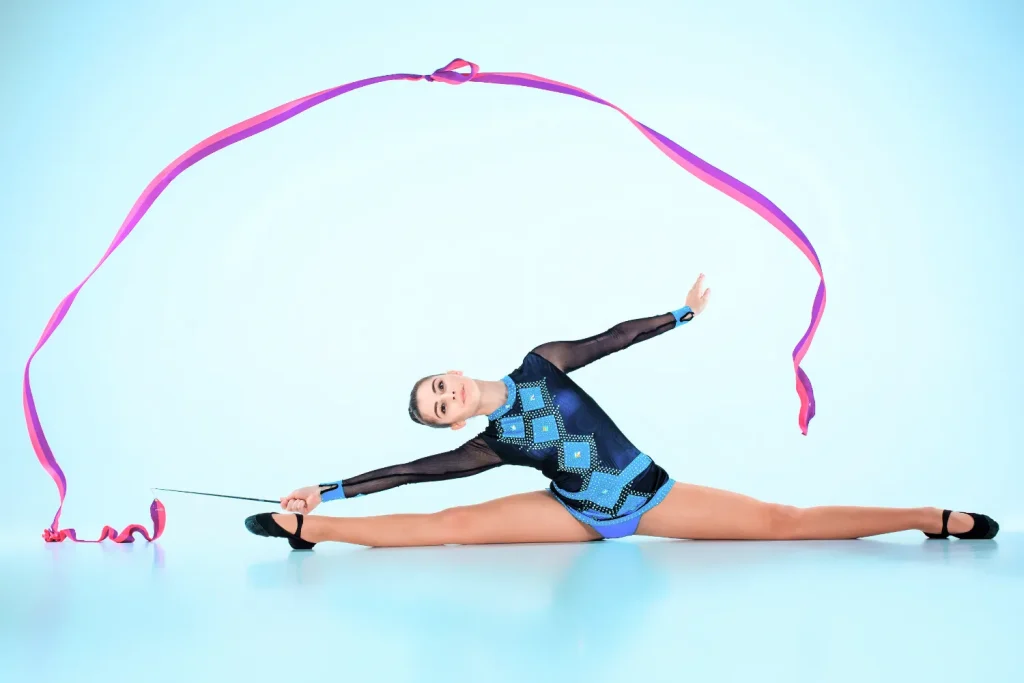
- Gymnastics demands exceptional flexibility, coordination, and mental focus, making it one of the most challenging girl sports due to its complex routines.
- Wrestling tests both physical strength and mental toughness, requiring strategic thinking and intense competition against opponents.
- Triathlon combines swimming, cycling, and running, demanding extraordinary endurance and mental resilience to complete all three disciplines.
- Cheerleading involves high levels of strength, flexibility, and teamwork, as well as performing under pressure in front of large crowds.
- Soccer requires high endurance for constant running and sprinting, showcasing both physical stamina and agility throughout the game.
Factors Defining Sport Difficulty
When we think about what makes a sport challenging, we can’t ignore the physical demands it places on athletes.
Alongside the physical aspects, the mental challenges during competition also play a crucial role in defining difficulty.
Let’s explore how these factors come together to shape the toughest girl sports out there.
Physical Demands of Sport
Understanding the physical demands of various sports helps us grasp what makes some girl sports particularly challenging. Each sport requires unique physical attributes that can test our limits.
Here are four key factors that define the physical challenges we face:
- Endurance: Many sports require sustained effort over long periods, pushing us to build exceptional strength and stamina.
- Speed: Quick bursts of energy are essential in sports like track and soccer, demanding explosive power and agility.
- Coordination: Precision in movement is crucial for success in sports such as gymnastics and figure skating, requiring us to master complex skills.
- Strength: From wrestling to rugby, the physical demands of sport often call for remarkable strength to compete effectively against opponents.
These challenging sports not only test our physical capabilities but also demand significant mental strength.
As we push through physical challenges, we develop resilience and determination. By understanding these factors, we can appreciate the dedication and effort that athletes put into excelling in their chosen sports.
Mental Challenges in Competition
While physical demands often take center stage in sports, the mental challenges we face during competition are equally significant. In competitive cheerleading, for instance, we juggle complex routines, high expectations, and the pressure to perform flawlessly. Each performance requires immense mental fortitude; we must remain focused and composed, even when the stakes are high.
The level of competition can heighten these challenges, pushing us to confront self-doubt and anxiety. We’ve all experienced moments where our minds start to race, questioning our abilities or worrying about the outcome.
Strategic thinking plays a crucial role in navigating these mental hurdles. We need to analyze our opponents, adapt our routines, and make split-second decisions, all while staying in the zone.
In essence, it’s not just about physical strength or skill; it’s about how we manage our thoughts and emotions under pressure. When we train our minds as rigorously as our bodies, we’re better equipped to face the challenges that come our way.
Physical Demands of Sports
When we talk about the hardest girl sports, we can’t ignore the incredible strength and endurance they demand.
Each athlete pushes their physical limits, showcasing just how tough these sports can be.
Let’s explore what it truly takes to excel in these physically demanding environments.
Strength and Endurance Requirements
In the world of sports, strength and endurance are cornerstones that define an athlete’s performance. When we think about the hardest girl sports, we must consider the physical demands that come into play.
Here are four key aspects that highlight these requirements:
- Strength Training: Many demanding sports require us to build muscle mass and power, enabling us to perform at higher intensities.
- Endurance Conditioning: We need to develop our cardiovascular fitness to sustain prolonged physical effort, whether it’s running, swimming, or cycling.
- Mental Fortitude: Strength isn’t just physical; we must cultivate mental resilience to push through the toughest challenges.
- Recovery Protocols: Understanding our bodies and allowing time for recovery is crucial. Without it, our performance can suffer, regardless of our strength and endurance levels.
In each of these areas, we face a unique level of challenge that tests our limits.
By embracing the rigorous training and commitment these sports demand, we not only improve our physical capabilities but also grow as athletes.
Mental Challenges Faced
Among the many hurdles athletes face in girl sports, mental challenges often stand out as the most daunting. While we focus on our physical ability, it’s the mental game that can truly make or break our performance. In the heat of competition, we find ourselves battling self-doubt, anxiety, and the pressure to succeed. These mental hurdles can be as tough as any physical challenge we encounter.
Take, for instance, those of us on a competitive cheer team. We execute challenging feats that require not only strength but also unwavering confidence and focus. One moment of hesitation can lead to a fall, both literally and figuratively. We must constantly push ourselves to overcome the fear of failure, reminding ourselves that mistakes are part of growth.
In sports for girls, the mental aspect can sometimes feel like the hardest part. We juggle expectations from coaches, parents, and ourselves, all while striving to perform at our best.
Embracing these mental challenges can help us grow not just as athletes, but as individuals, teaching us resilience and determination that extends beyond the field.
Top 10 Hardest Girl Sports
As we explore the top 10 hardest girl sports, we can’t overlook the incredible physical demands these athletes face.
Each sport tests not just their strength and endurance, but also their mental toughness to push through challenges.
Let’s break down what makes these sports stand out in both physical and mental aspects.
Physical Demands of Sports
When we think about the physical demands of sports, the challenges faced by female athletes often stand out. These sports require not just skill but also immense physical strength and endurance.
Here are four key aspects that showcase the rigorous demands placed on female athletes:
- Upper Body Strength: In sports like cheerleading, athletes need exceptional upper body strength to perform stunts and routines safely.
- Endurance: Soccer players constantly run, sprint, and change direction, which tests their stamina and overall endurance throughout the game.
- Agility: Many sports require quick movements and adaptability. Whether it’s dodging an opponent or executing a flawless routine, agility is crucial.
- Flexibility: Female athletes, especially in gymnastics and cheerleading, must maintain high levels of flexibility to prevent injuries and execute complex movements effectively.
These physical demands not only challenge female athletes but also highlight their incredible dedication and hard work.
Each sport presents unique challenges, and it’s important to recognize and appreciate the strength and resilience that female athletes display in their pursuit of excellence.
Mental Toughness Required
Mental toughness is essential in sports, especially for female athletes who face unique challenges. We often find ourselves balancing rigorous training schedules with competitions on weekends, all while navigating societal expectations. This relentless pressure demands an extraordinary ability to push through doubts and setbacks.
In extreme sports, like rock climbing or snowboarding, mental toughness becomes even more critical. Here, we’re not just competing against others; we’re battling our inner fears as we tackle high-risk maneuvers. Each leap or ascent requires unwavering focus and confidence, as one small mistake can lead to serious consequences.
Moreover, the emotional resilience we cultivate helps us to bounce back from defeats. We learn that setbacks are part of the journey, not the end. Whether we’re facing a tough opponent in a wrestling match or pushing our limits during a triathlon, it’s our mental strength that drives us forward.
Ultimately, the hardest girl sports are those that challenge not just our physical abilities, but our mental fortitude as well. Together, we can inspire one another to embrace these challenges and emerge stronger, proving that mental toughness truly defines our athletic journeys.
The Role of Training
Training plays a crucial role in mastering any sport, especially for girls facing unique challenges in competitive environments. As we dive into the world of sports, we realize that our training efforts significantly impact our technical skills and overall performance.
Here are four key aspects of training that we should focus on:
- Consistency: Regular training sessions help us build endurance and maintain a high level of skill. Without consistency, progress can plateau.
- Skill Development: Targeting specific technical skills is essential. Whether it’s perfecting a dangerous stunt or refining our footwork, focused practice leads to improvement.
- Physical Conditioning: Building strength, agility, and flexibility through targeted exercises prepares us for the demands of our sport. It also helps in managing the challenges we face during competitions.
- Mental Preparation: Training isn’t just physical; it’s about mental resilience too. Incorporating strategies to boost our confidence and manage stress can make a huge difference in performance.
Together, focusing on these training aspects equips us to tackle the challenges of our sport head-on, enhancing our abilities and pushing us closer to our goals.
Risk of Injury Analysis
Injuries are an ever-present concern in sports, and understanding the risks involved can help us safeguard our health and performance. When we engage in activities deemed the toughest sports, like rugby or gymnastics, we need a thorough risk of injury analysis.
For instance, the competitive level we participate in directly impacts the likelihood of getting injured. Many athletes experience emergency room visits due to injuries sustained during training or games.
We must acknowledge that certain sports are inherently more dangerous than others. In contact sports, the physicality increases the risk of serious injuries such as concussions, fractures, and ligament tears.
On the other hand, even non-contact sports can present risks; think about the impact of repetitive motions in gymnastics or the potential for falls in figure skating.
Comparing Team vs. Individual Sports
When we weigh the merits of team versus individual sports, it’s clear that each has its own unique challenges and rewards. For girls participating at a professional level, understanding these differences can help us appreciate the continuous effort required in both arenas. Here are some key points to consider:
- Collaboration vs. Independence: Team sports rely on group dynamics, where each member’s performance affects the whole. In contrast, individual sports focus solely on personal effort and achievement.
- Emotional Support: Team sports can offer camaraderie and support from teammates, which can be motivating. Individual sports, however, often foster a sense of self-reliance and personal accountability.
- Pressure and Accountability: In team sports, we share the pressures of performance and outcomes, while individual sports place the entire burden on one person’s shoulders, making them some of the hardest sports mentally.
- Skill Development: Both types foster skill development, but the focus differs. Team sports emphasize strategy and teamwork, while individual sports hone specific techniques and personal resilience.
Ultimately, whether we thrive in team or individual sports, both demand dedication and hard work.
Unique Challenges in Gymnastics
In gymnastics, we face unique challenges that test both our physical strength and mental focus.
The demand for precision in every move requires us to stay sharp, balancing grace and power.
Let’s explore how these factors shape our experience in this intense sport.
Physical Demand and Strength
Gymnastics embodies a unique blend of grace and sheer physical demand, presenting challenges that test both strength and endurance. As we dive into this sport, we can’t help but notice how it requires exceptional muscular strength and conditioning to perform at even a collegiate level.
The physical demand is immense; we’re not just running through routines but pushing our bodies to their limits.
Here are some unique challenges we face in gymnastics:
- Dynamic Movements: Each skill combines speed and precision, requiring explosive power.
- Core Stability: A strong core is essential for balance and execution, making every flip and twist a test of endurance.
- Flexibility: We must maintain a high level of flexibility to prevent injuries and enhance performance.
- Repetitive Strain: The nature of training can lead to overuse injuries, as we consistently push our bodies.
These challenges help us appreciate gymnastics as one of the most difficult sports.
We’re not just athletes; we’re dedicated individuals committed to mastering a discipline that demands both physical and mental prowess.
Mental Focus and Precision
Mastering mental focus and precision is just as crucial as physical strength in gymnastics. We often find ourselves balancing on a beam, where one misstep can lead to a fall. This isn’t just about muscle; it’s about the mental discipline that allows us to execute our routines flawlessly. Every flip, twist, and landing requires unwavering concentration.
In gymnastics, we harness the grace of dance and the explosive energy of cheer dance, but the stakes are high. Unlike team sports, where we can rely on teammates, gymnastics is an individual sport that demands complete accountability for our performance.
When we’re in the spotlight, we must block out distractions and zero in on the task at hand. The pressure to perform adds another layer of complexity. We’ve got to maintain our composure, even when the crowd is roaring.
Each routine is a test of not just our physical abilities but also our mental resilience. By honing our mental focus and precision, we elevate our performance to new heights. Ultimately, it’s this combination of mind and body that sets gymnastics apart as one of the hardest girl sports.
The Case for Cheerleading
Cheerleading often gets overlooked when discussing the most challenging sports, but it demands a unique blend of athleticism, coordination, and teamwork.
As we delve into this captivating activity for girls, we can appreciate how cheerleading has evolved over the years, transitioning from simple chants to dynamic routines filled with complex stunts and intricate dance routines.
Here are four reasons why cheerleading deserves recognition as one of the hardest girl sports:
- Physical Demands: Cheerleaders must maintain strength, flexibility, and endurance to execute high-flying stunts and intense dance routines.
- Team Coordination: Success hinges on seamless teamwork, requiring every member to synchronize their movements perfectly during high-pressure performances.
- Skill Variety: From acrobatics to choreography, cheerleading encompasses a wide range of skills, making it essential for participants to be well-rounded athletes.
- Mental Toughness: Cheerleaders face the challenge of performing in front of large crowds, requiring focus and resilience to overcome nerves and deliver flawless routines.
In celebrating the evolution of cheerleading, we recognize its rightful place among the toughest sports out there.
Perspectives From Athletes
As athletes, we often find ourselves reflecting on our experiences and the unique challenges we face in our respective sports. Each of us has a different perspective based on our level of competition and the physical and mental demands placed on us.
For instance, as a girls water polo team, we navigate the complexities of teamwork, strategy, and sheer endurance while battling through intense matches. The water can be brutal, but it’s the thrill of the game that keeps us going.
Marathon running, on the other hand, tests our limits in a distinctly different way. The hours of training, the mental fortitude required to keep pushing through fatigue, and the relentless drive to improve are challenges that every player faces, regardless of their sport.
Both our teams and individual athletes must exhibit resilience and determination. It’s not just about winning; it’s about overcoming obstacles, pushing ourselves further, and supporting one another.
In the end, whether we’re in the pool or on the pavement, we share a common thread—an unwavering passion for our sports that elevates our experiences and unites us as athletes.
Frequently Asked Questions
What Equipment Is Essential for the Hardest Girl Sports?
When we think about essential equipment for challenging sports, we can’t overlook items like proper footwear, protective gear, and specialized equipment. These tools help us perform at our best and ensure our safety during competition.
How Do Cultural Perceptions Influence Sport Difficulty?
We believe cultural perceptions shape how we view sport difficulty. When society values certain sports more, it can discourage participation in others, impacting our choices and experiences, and ultimately influencing how we perceive their challenges.
Are There Any Age Restrictions for These Sports?
They say, “Age is just a number.” In many sports, age restrictions do exist, often ensuring safety and fairness. We’ve seen kids thrive in some, while others require a minimum age to compete effectively.
What Financial Costs Are Associated With These Sports?
We’ve noticed that financial costs for these sports can vary widely. Expenses often include equipment, uniforms, travel, and registration fees. It’s essential to consider these factors when planning to participate in any sport.
How Do Social Media Trends Impact Participation in Girl Sports?
Social media’s a double-edged sword for girl sports; it boosts visibility and inspiration while also creating pressure. We see more girls participating, but we must navigate the expectations that come with online fame and trends.
Final Thoughts
In exploring the toughest girl sports, it’s clear that each discipline carries its own weight of challenges and triumphs. While gymnastics often takes the spotlight for its demanding nature, we can’t overlook the grit required in cheerleading and other sports. Every athlete faces their own hurdles, turning sweat and tears into strength and resilience. For a glimpse at the top performers in cheer, check out our previous article: What Is the Best Cheer Team?. Ultimately, it’s not just about the sport itself; it’s about the journey we share, pushing boundaries and discovering our true potential together. Up next, find out What Sport Gives Girls the Best Body? and explore how different sports shape athleticism and confidence.

![UFC fighter [Allan Nascimento] in fighting gear.](https://b2881679.assetcdn.net/2.0/2881679/wp-content/uploads/2026/08/journalist2F0749cf22-eda0-48b3-b1fc-d986d47ff93f2Fthumbnail-768x432.jpeg?lossy=1&strip=1&webp=1)